Climb Ama Dablam: Autumn Expedition 2026
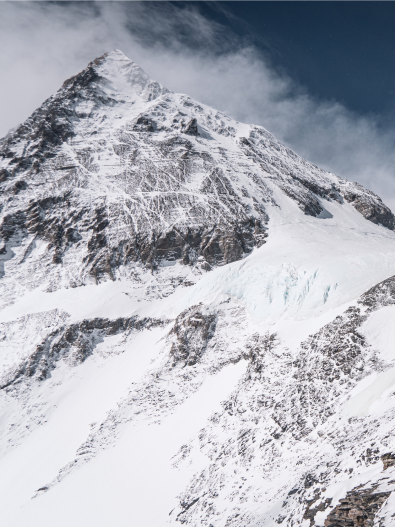
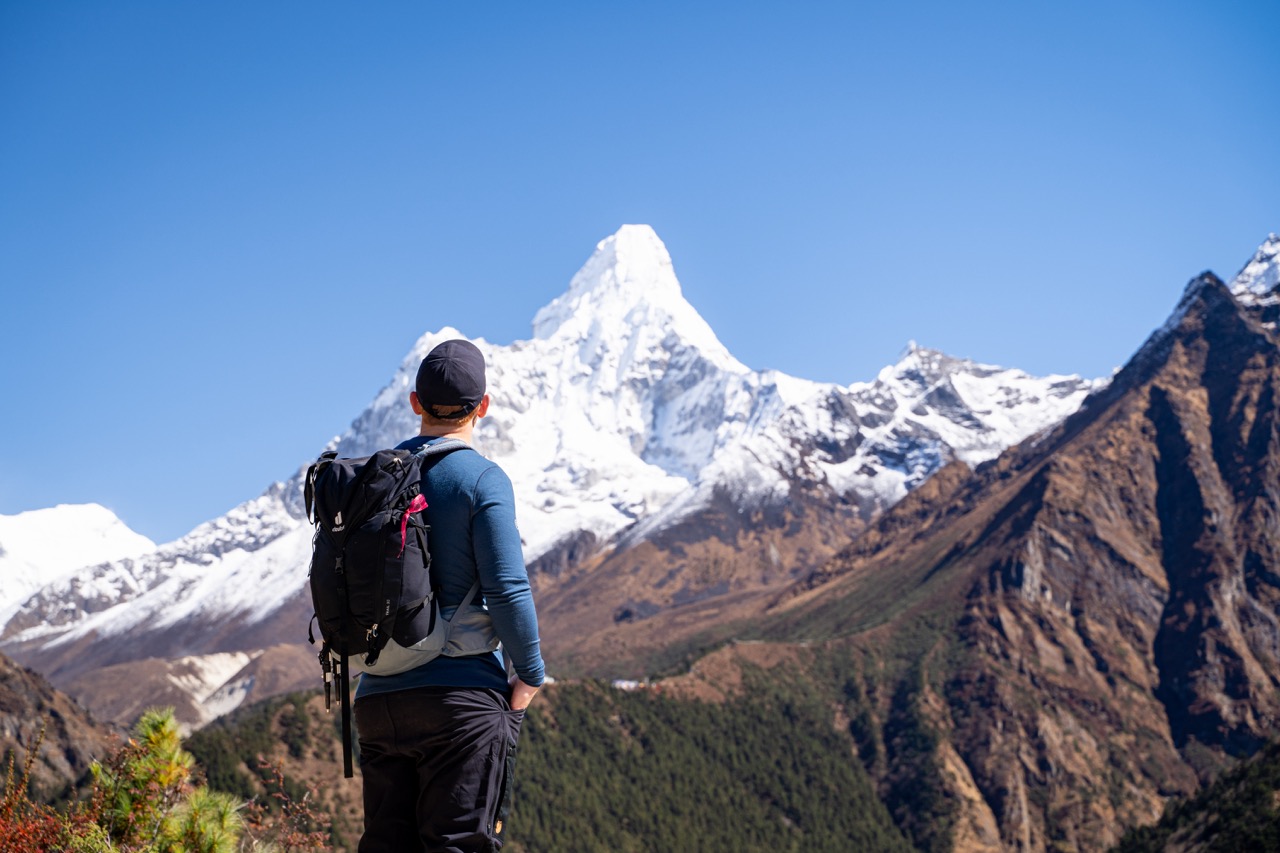
Summit the iconic Mt. Ama Dablam, the Matterhorn of the Himalayas, renowned for its breathtaking beauty and st...
View Details
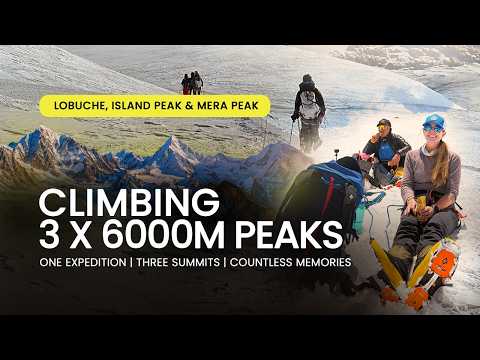
Three peaks climb in Nepal offers an excellent introduction to real Himalayan mountaineering by climbing three iconic six thousand-meter peaks in a single trip.
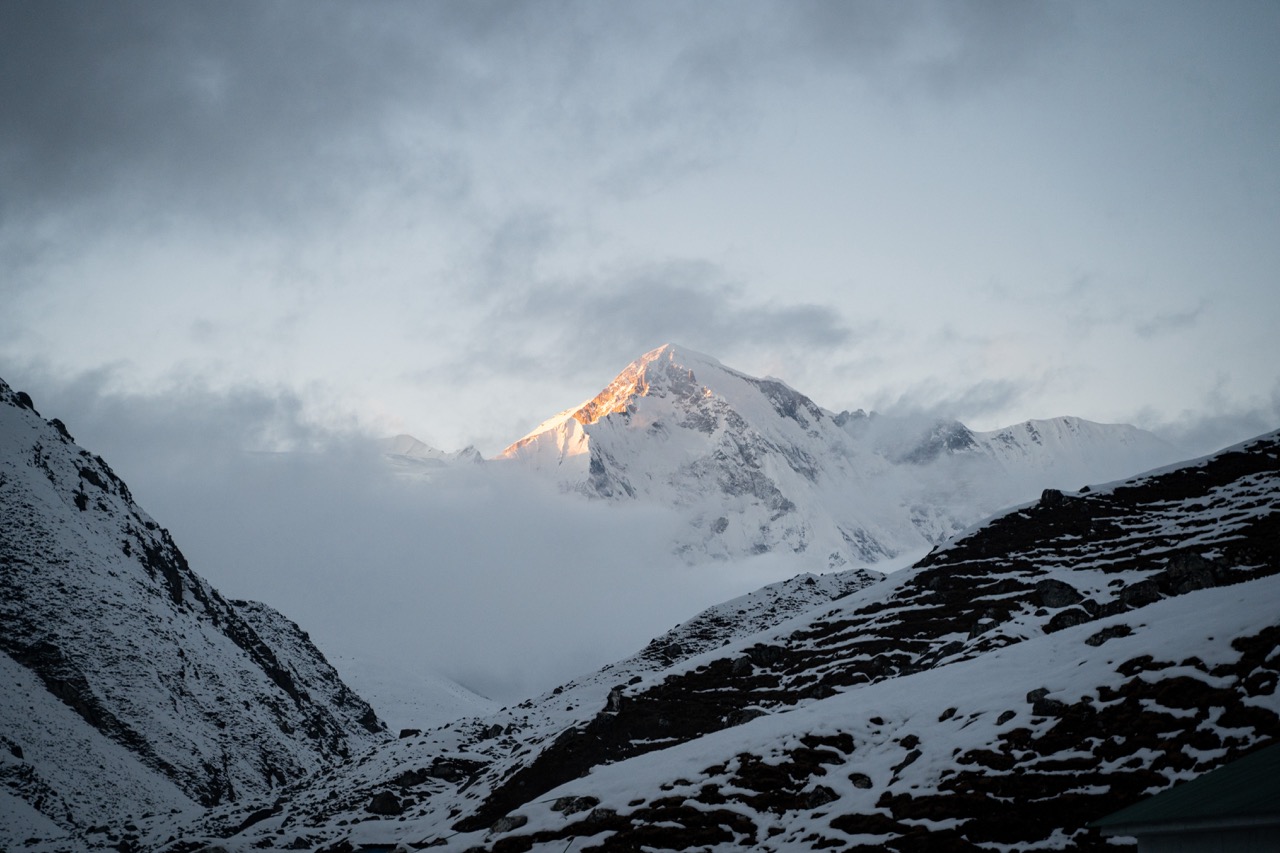
Mera Peak elevates 6,476m above sea level in the Mahalangur section of the Himalayas, south of Mount Everest. Categorized as the trekking peaks, it is one of the most popular in its category. Mera Peak is the highest trekking peak in Nepal. The summit offers some exquisite views of 8000m peaks namely, Mt. Everest, Makalu, Lhotse, Cho Oyo, Kanchenjunga, and several other peaks. Spring and autumn seasons are the best time to trek this mountain.
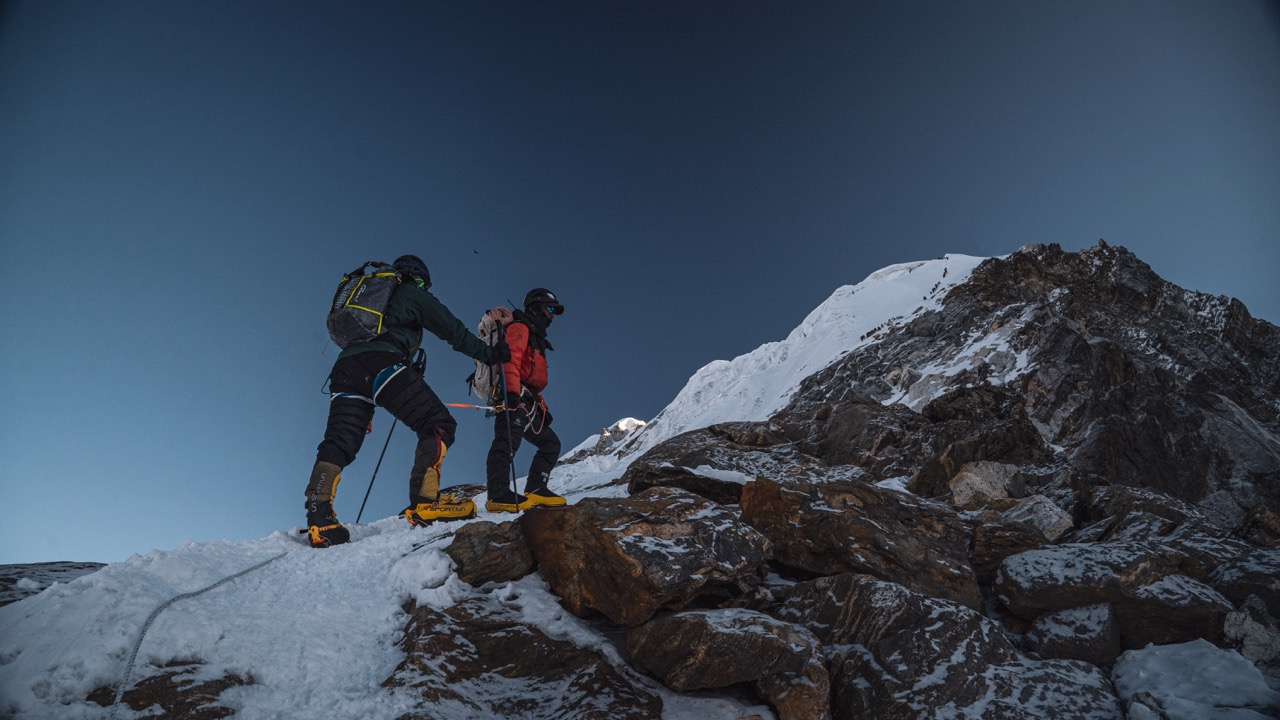
Imja Tse peak or also popularly known as Island Peak, stands tall with a modest height of 6,189m. English Mountaineer Eric Shipton named it an Island Peak in 1953. He thought it resembled an island in a sea of ice seeing it from Dingboche. In 1983, Island Peak again got its new name, Imja Tse. With very few technical aspects, it offers itself even to beginner climbers with competitive endurance. Hence, it is one of the most popular choices among the 6000m. Island Peak welcomes hundreds of climbers' groups each year luring them to their peak.
The Lobuche peak consists of two different summits, via. East and West with heights of 6,119 m and 6,145 m respectively. A continuous ridge connects them but there is still a sharp gap and a considerable distance between them. The East Peak is recognized as a trekking peak, whereas the West is known as an Expedition Peak. Lobuche, being an attractive mountain offers various existing routes and also a potential for new ones. The dark triangle of its rocky East face rises over the moraines of the Khumbu Glacier to a spectacular skyline, forming the south ridge.
What’s included in your package
Private airport–hotel transfers on arrival and departure; three nights’ accommodation in a 5-star hotel in Kathmandu on a bed-and-breakfast basis; welcome dinner with the 14 Peaks Expedition team; three meals daily during the trek and expedition, including breakfast, lunch, dinner, tea and coffee; fresh vegetables, meat, fruits and soft drinks; and a well-managed Base Camp setup for members and staff.
Expedition royalty and climbing permits for Mera, Island and Lobuche Peak through the Nepal Mountaineering Association (NMA), Sagarmatha National Park entry permit, Pasang Lhamu Rural Municipality entry permit, garbage deposit and waste-management fees, and an NMA-issued Three Peaks climbing certificate upon successful completion.
Helicopter flight from Kathmandu to Lukla and return helicopter transfer from Lobuche High Camp to Kathmandu as per the itinerary; air cargo transportation of expedition equipment between Kathmandu and Lukla; porter and yak transportation between Lukla and Base Camp; and porter assistance for up to 25 kg of personal luggage per member.
One highly experienced high-altitude climbing Sherpa per member on a 1:1 basis from Base Camp to the summit and back; porter support to and from Base Camp; Sherpa assistance with carrying gear to high camps; single-occupancy tents at high camps; high-altitude tents, cooking equipment, fuel, high-altitude food, group climbing equipment, and fixed and dynamic ropes as required.
One emergency oxygen bottle with mask and regulator will be carried by the climbing Sherpa throughout the expedition. The oxygen is provided for emergency use only and will be chargeable if used. Comprehensive medical kits for members and staff, regular weather forecasts throughout the expedition from Meteotest, Bern, Switzerland, and medical and emergency rescue insurance for all Nepalese staff involved in the expedition are also included.
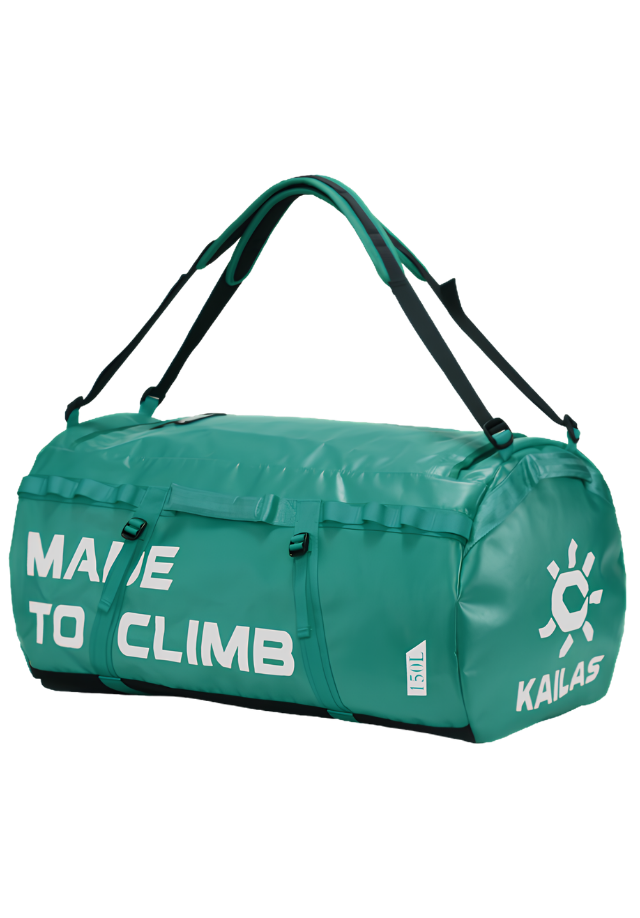
Salaries, daily wages, allowances, equipment, food and clothing for all Nepalese staff, guides, Sherpas and porters; two liters of boiled drinking water per day per member; one 150L 14 Peaks Expedition duffle bag; and complete garbage and waste-management arrangements.
Guided sightseeing in Kathmandu Valley covering major cultural sites including Swayambhunath (Monkey Temple), Pashupatinath Temple and Boudhanath Stupa.
What is not covered in the itinerary
International Flights: Airfare to and from Kathmandu. Nepal Entry Visa Fees: $30 USD for 15 days $50 USD for 30 days $125 USD for 90 days
Meals in Kathmandu: Lunch and dinner during the stay in Kathmandu (also applicable in case of early return from the trekking/expedition). Extra Nights in Kathmandu: Additional accommodation costs due to: Early arrival Late departure Early return from trekking/expedition Domestic flight cancellations
Mandatory Insurance Policy: Coverage must include: Medical and high-altitude evacuation costs Trip cancellation and interruption High-altitude rescue and air evacuation Medical treatment and repatriation (A copy of the insurance policy must be sent before arrival.)
Costs for: Telephone calls Internet usage Toiletries Battery recharges Hot showers Laundry Soft drinks, beers, and alcoholic beverages (during the trek and in Kathmandu) (Soft drinks will be provided at base camp, but not elsewhere.)
Personal Climbing Equipment: Clothing, packing items, bags, personal medical kits, and all types of personal trekking/climbing gear. Filming Permits: Fees for special filming, camera, and drone permits. Internet Service: Not included during the trek and expedition.
Summit Bonus for Climbing Sherpa: Minimum of $600 USD ($200 per peak). Tips for Staff: Base Camp and High Camp Staff – Minimum $250 USD.
Any other services or activities not mentioned in the itinerary and not listed in the "Cost Includes" section.
A thoughtful daily breakdown of the journey with route highlights
Arrive at Tribhuvan International Airport in Kathmandu. You will be greeted by a representative and transferred to Hotel Aloft, a 5-star hotel.
Spend the day resting, exploring Kathmandu, and preparing for the expedition. In the evening, attend a welcome dinner where you’ll meet the expedition team and review gear and equipment.
Early morning drive (4-5 hours) to Ramechhap Airport, then take a scenic flight to Lukla (2,800m). Start the trek to Chutanga(3-4 hours).
Trek through rhododendron forests and cross the Zatrawa La Pass. Enjoy spectacular views of the surrounding peaks.
Descend into the Hinku Valley and trek along the Hinku River to Kothe.
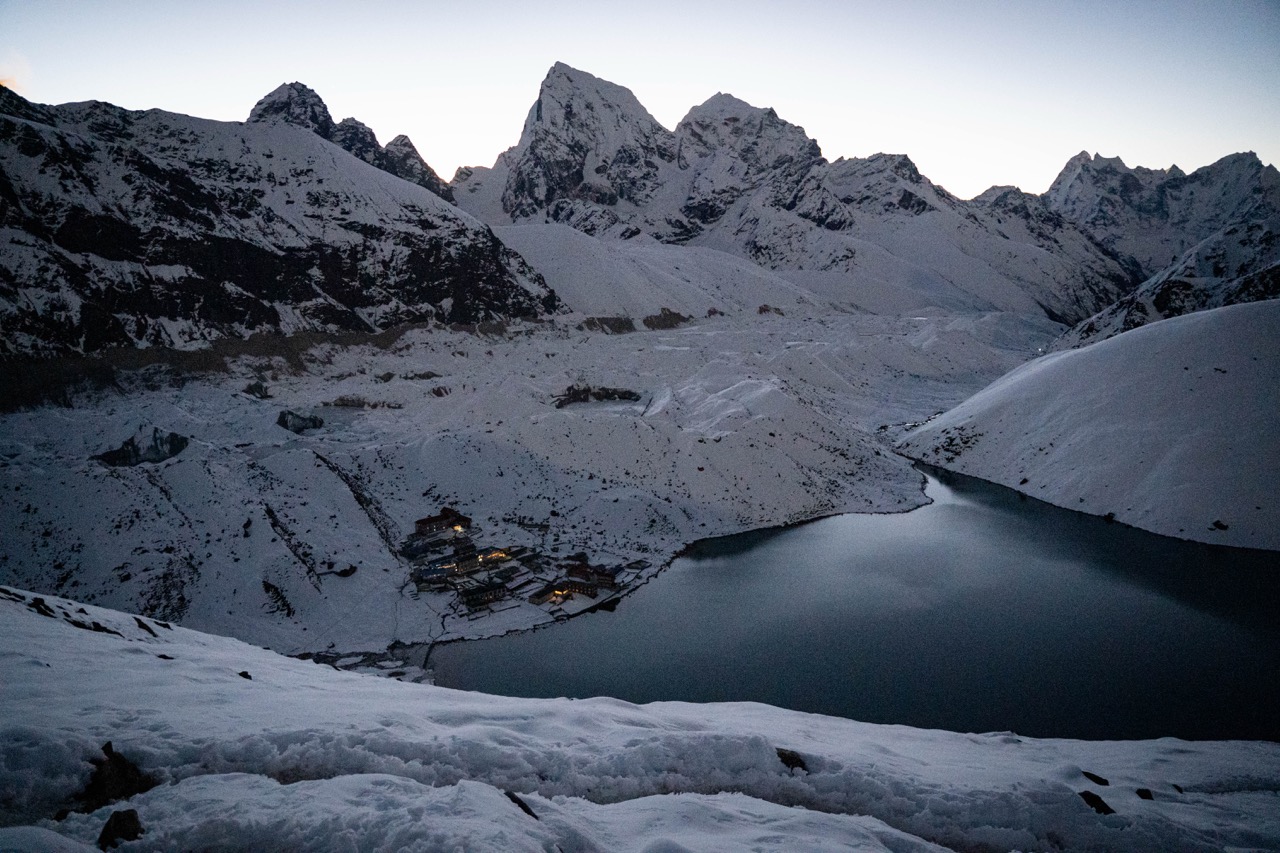
Trek through glacial moraines and climb gradually to Khare, the base camp for Mera Peak.
Acclimatization day. Short hikes around Khare to help your body adjust to the altitude. Review climbing techniques and equipment.
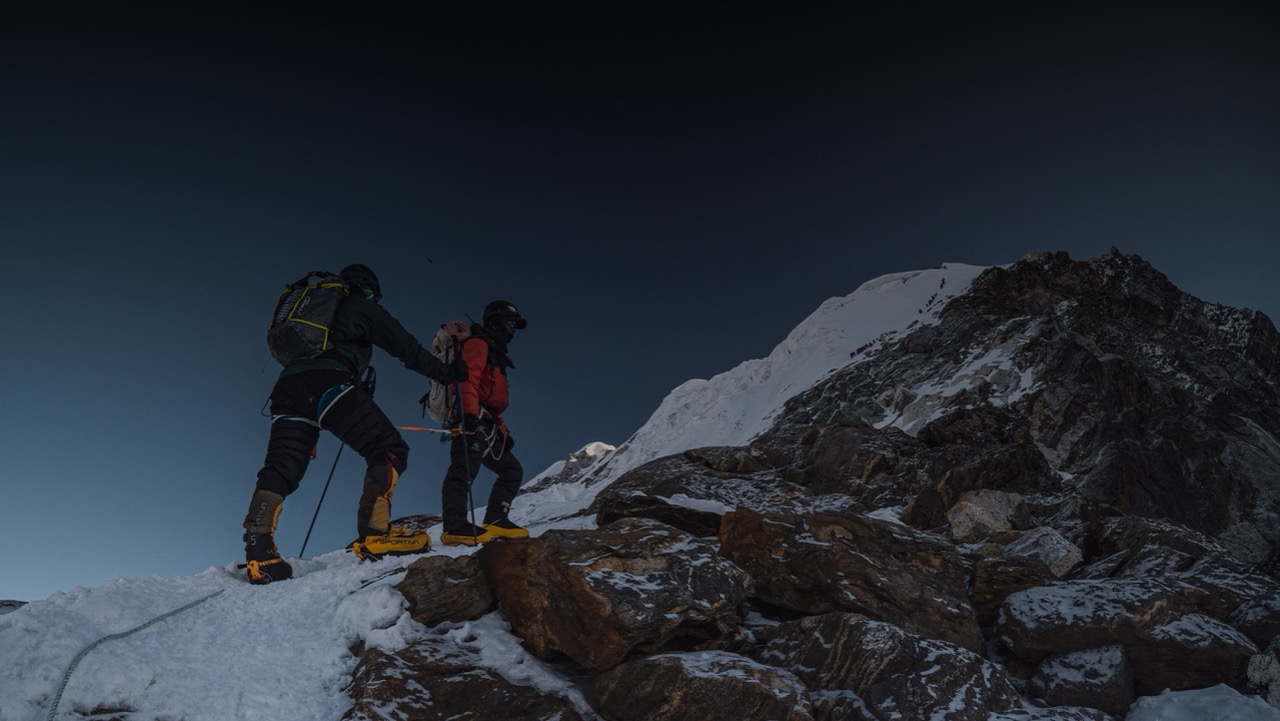
Ascend to Mera High Camp. The route includes glacier travel with stunning views of Everest & Makalu.
Start early for the summit attempt. After reaching the summit and enjoying the panoramic views, descend back to Mera High Camp.
Descend from Mera High Camp and trek towards Khongma Dingma.
Trek to Setopokhari, a remote area known for its beautiful high-altitude lakes.
Continue trekking towards Amphu Base Camp, the starting point for crossing Amphu Laptsa Pass.
A challenging day crossing the Amphu Laptsa Pass, followed by a descent to Chhukung.
Trek to the high camp of Island Peak, preparing for the summit attempt.
Early morning summit attempt of Island Peak. After reaching the summit, descend back to base camp.
Trek towards Lobuche, situated near the base of Lobuche Peak.
Ascend to the high camp of Lobuche Peak, preparing for the final summit push.
Early morning summit attempt of Lobuche Peak. After the climb, descend to Pheriche.
Trek through the scenic Khumbu Valley, passing through villages and enjoying views of the Himalayas.
Continue descending through the Dudh Koshi Valley to Lukla.
Early morning flight from Lukla to Ramechhap, followed by a drive back to Kathmandu.
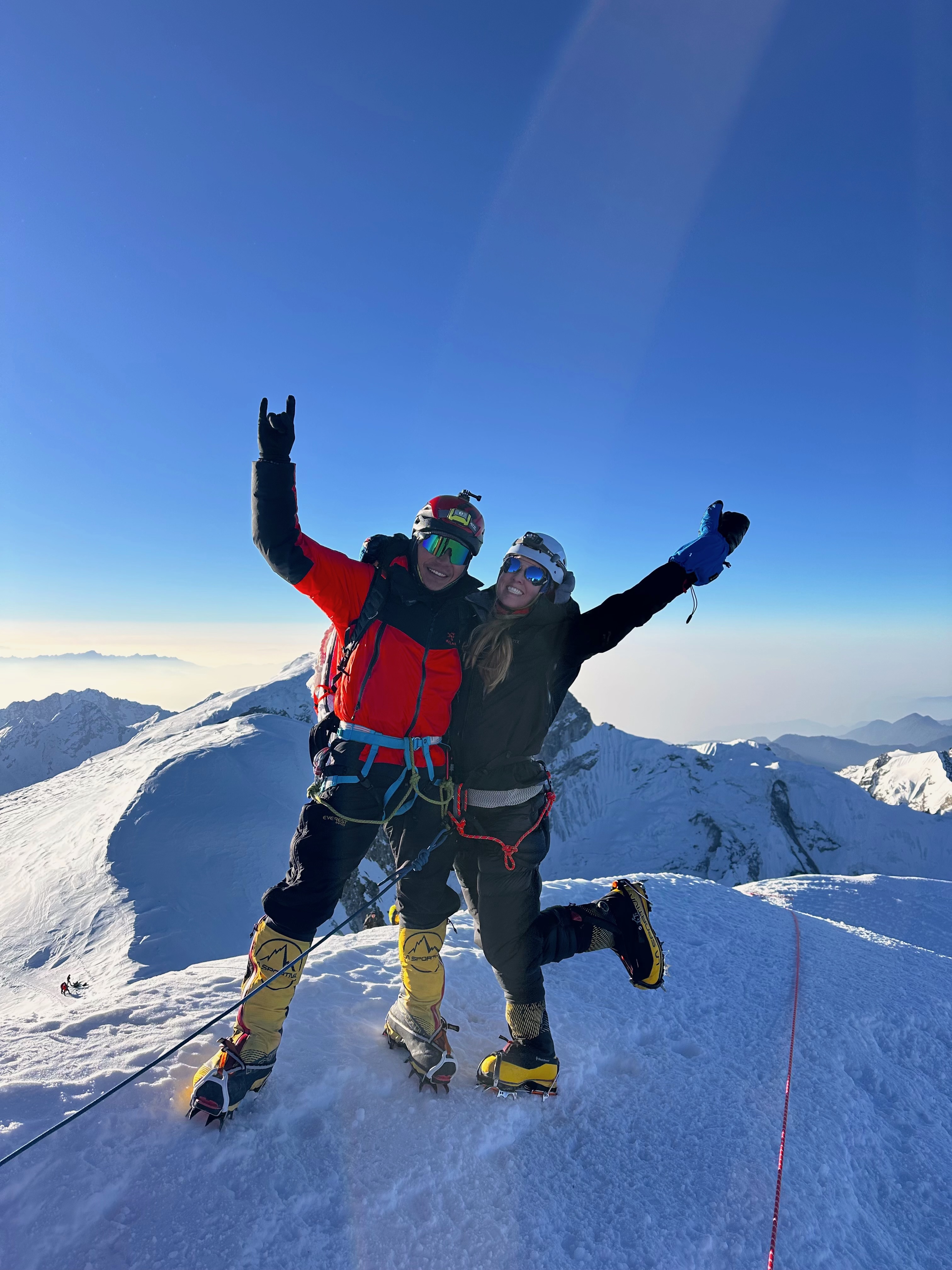
Climbing Lobuche, Island Peak and Mera with 14 Peaks Expedition has been one of the most rewarding experiences of my life. As someone who is still fairly new to mountaineering, I really appreciated my guide, Dinesh, who was not only a strong, skilled climber, but also was patient and took time to train me on the necessary skills required for each mountain and made sure I was fully confident each step of the way. We had incredible views of Mt Everest, Lhotse, Ama Dablam and many other iconic Himalayan mountains throughout the trip. It was so nice to be completely immersed in the beauty and culture of the Himalayas for three weeks as we traveled between mountains. The itinerary was perfectly designed for acclimatization, and with it being an expedition, you still find many comforts at the teahouses along the way including warm showers, heated blankets and delicious food & bakeries to help recharge & recover between climbs. This was my third trip with the 14 Peaks, and I've had nothing but positive experiences with all of the team members. The booking process, airport pickup, internal transfers, gear prep, meals, accommodations and so forth have always flowed completely seamlessly. I can't recommend them enough!
Summit the iconic Mt. Ama Dablam, the Matterhorn of the Himalayas, renowned for its breathtaking beauty and st...
View DetailsMera Peak, standing at 6,476 meters (21,246 feet), is the highest trekking peak in Nepal, located in the Mahal...
View DetailsIsland Peak, also known as Imja Tse, is a popular trekking peak in the Solu-Khumbu region of Nepal, located in...
View Details