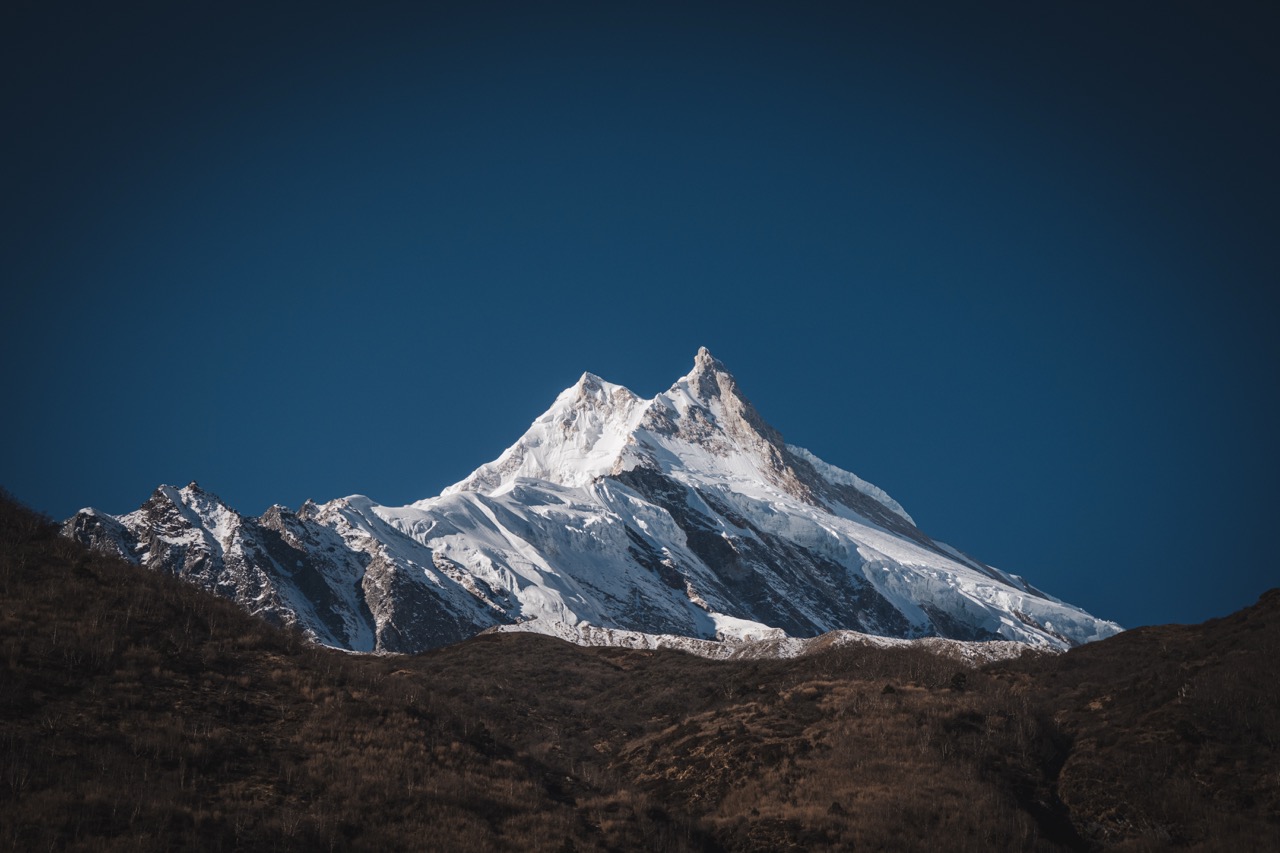
ANNAPURNA IV EXPEDITION

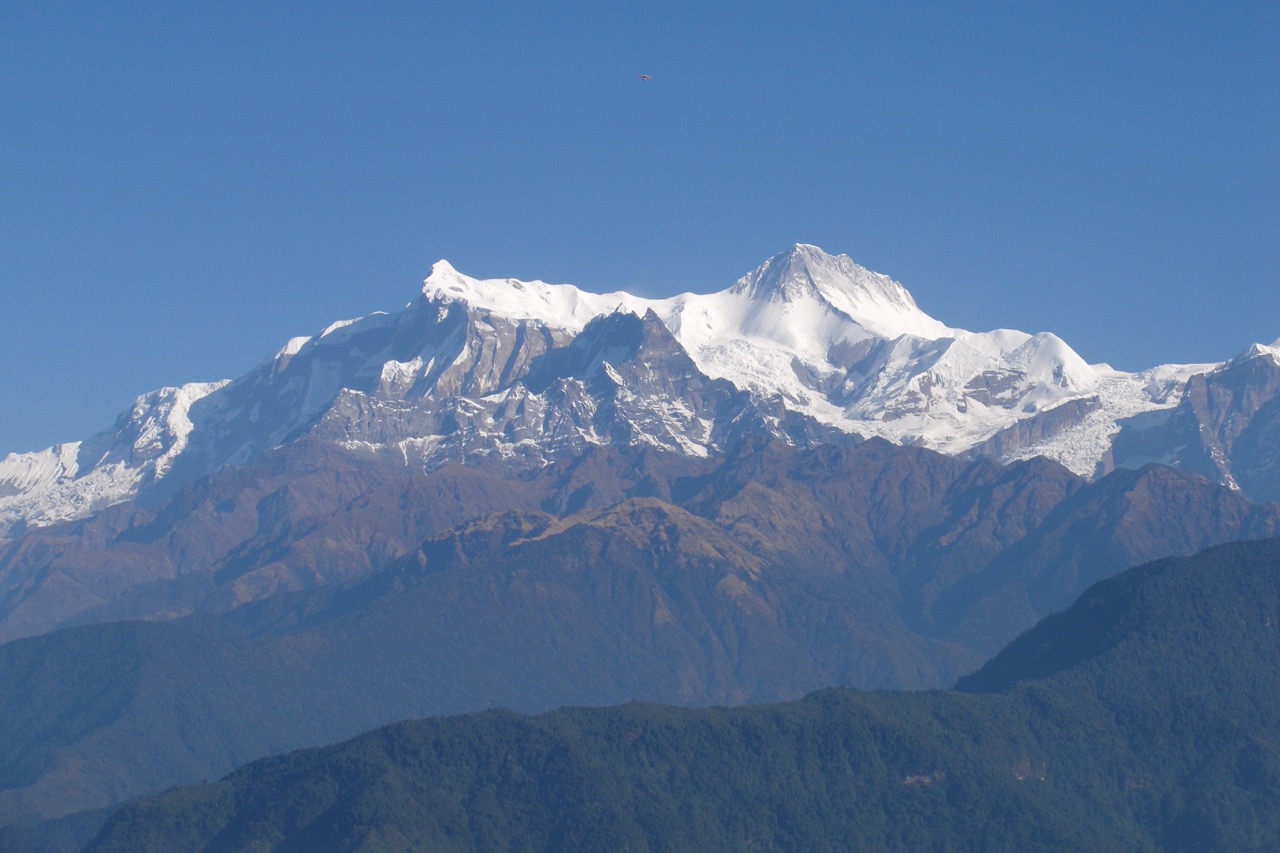
The Annapurna IV Expedition is a challenging alpine climb to one of Nepal's most beautiful 7,000-meter peaks, offering technical mountaineering, remote wilderness, and spectacular views of the Annapurna Himal.
ANNAPURNA IV EXPEDITION
" />

Expedition Overview

Share Us

Expedition Starts From Oct 3, 2026

Arrival At Destination
Oct 1, 2026
Departure for Activities
Oct 3, 2026
Country
Nepal
Activity
Mountaineering
Accommodation
Hotel|Lodge|Tent
Walking
5-7 hrs
Max Altitude
7525 M
Duration
30 Days
Difficulty
Hard
Best Season
Spring, Autumn

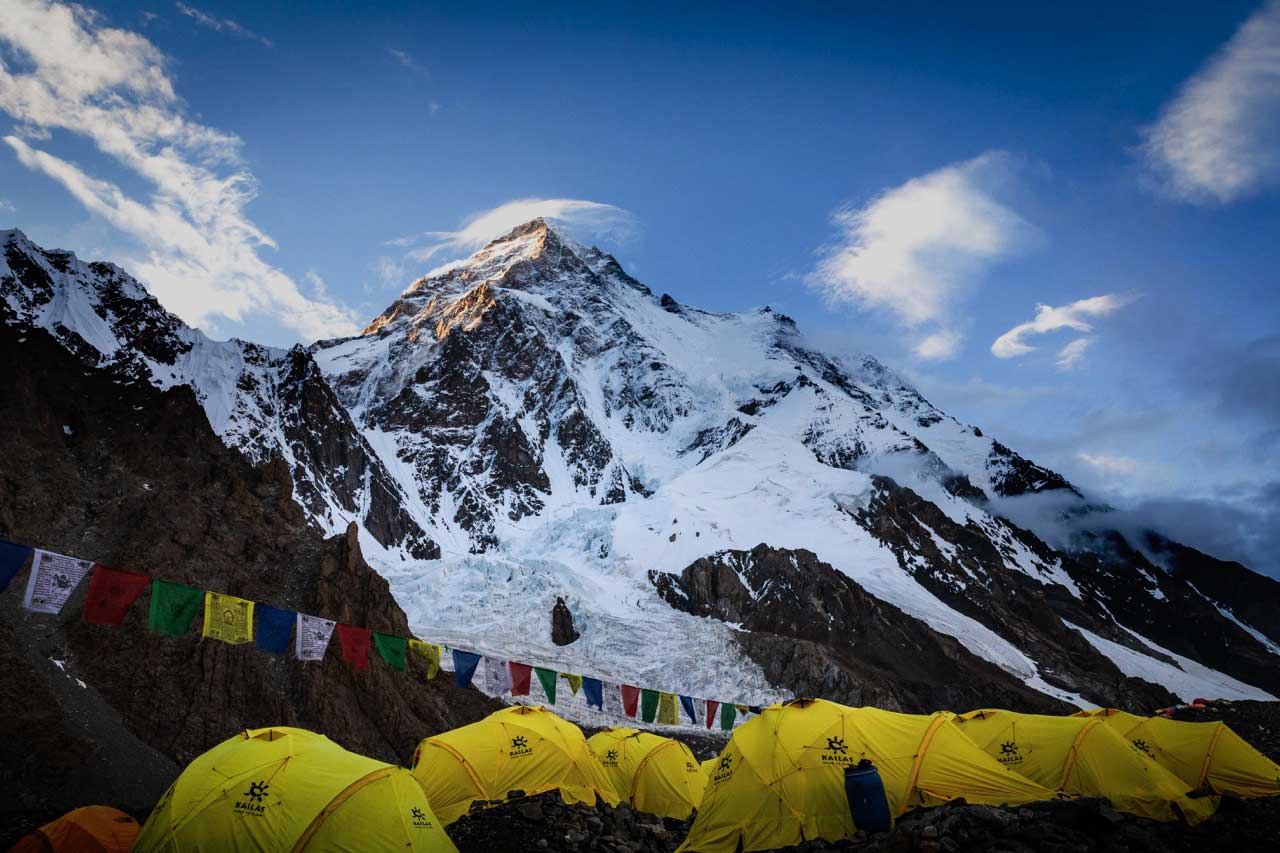
The Annapurna IV Expedition is an exciting ascent of Annapurna IV (7,525m), one of the most striking peaks in the Annapurna Massif. The journey begins through picturesque Gurung villages, lush forests, and alpine meadows before reaching the remote base camp beneath the mountain's towering north face. With a carefully planned acclimatization schedule, climbers establish higher camps and prepare for the summit while enjoying spectacular views of the surrounding Himalayan landscape.

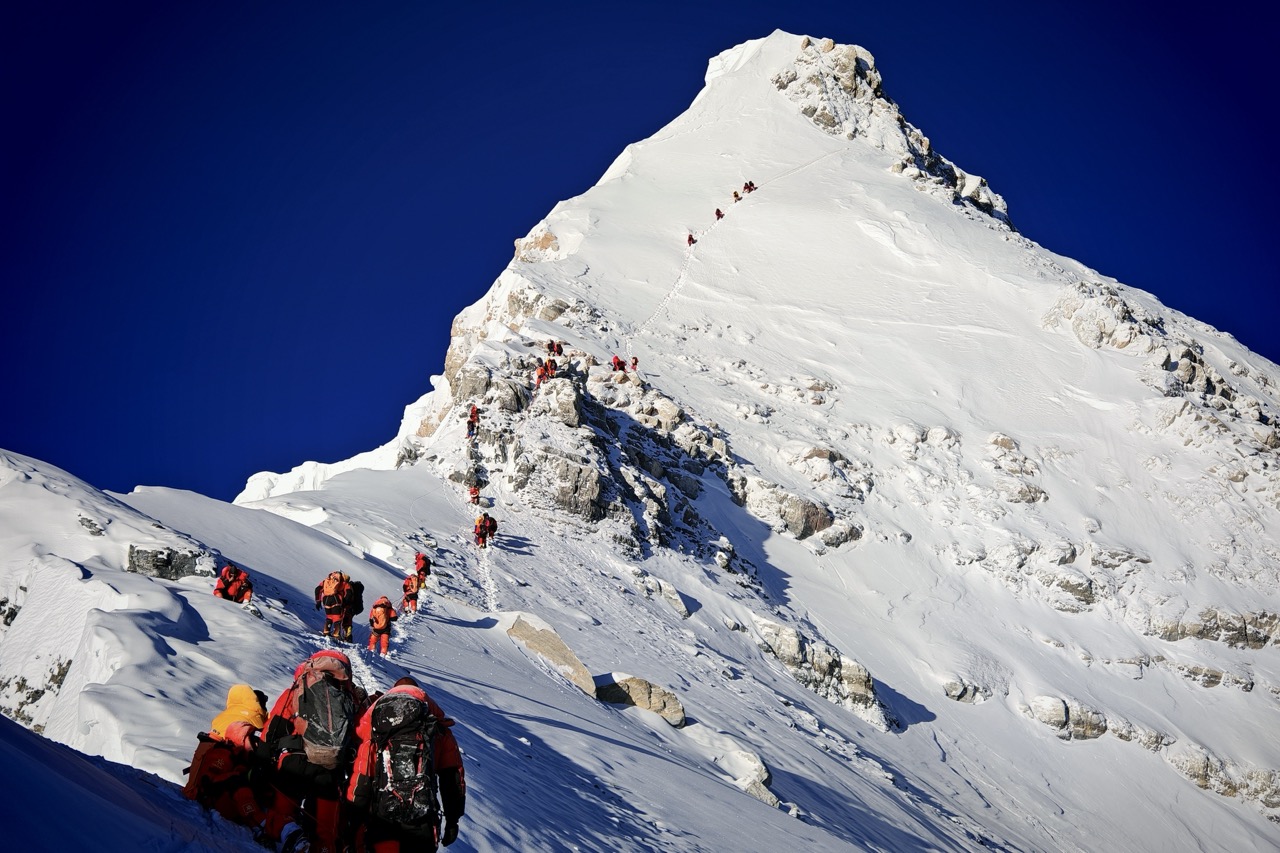
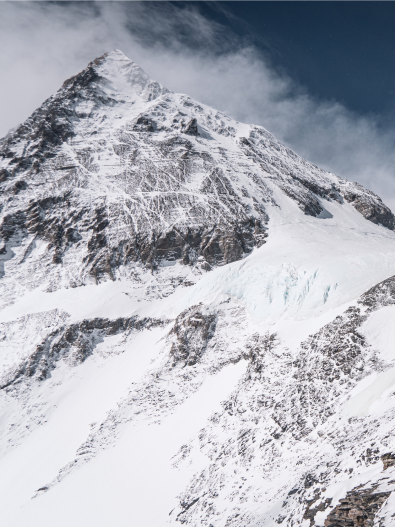
The climb involves steep snow slopes, glacial travel, exposed ridges, and sections of technical ice climbing, making it suitable for experienced mountaineers with solid alpine climbing skills. From the summit, climbers are rewarded with breathtaking panoramic views of Annapurna II, Annapurna III, Lamjung Himal, Machhapuchhre (Fishtail), Gangapurna, Manaslu, and the surrounding Himalayan giants. Combining technical challenges, remote wilderness, and world-class scenery, the Annapurna IV Expedition offers an unforgettable high-altitude mountaineering experience.

Includes

What’s included in your package

1. Airport Transfers

  • Meet & assist service on arrival and departure.
  • Private airport transfers.

2. Accommodation & Meals

  • 4 nights in a 5-star hotel in Kathmandu on a Bed & Breakfast basis.
  • Welcome dinner.
  • Three meals daily during the trek and expedition.
  • Tea or coffee with meals.
  • Lodge accommodation during the trek.
  • Fully serviced Base Camp with fresh meals, fruits, vegetables, bakery items, and soft drinks.

3. Transportation & Logistics

  • Domestic flights, where applicable.
  • Airport transfers.
  • Expedition cargo transportation.
  • Personal baggage allowance of up to 60 kg.
  • Porter and yak transportation.
  • Expedition freight management.

4. Permits & Government Fees

  • Climbing Permit.
  • National Park Permit.
  • Conservation Area Permit.
  • Municipality Permit.
  • Government Liaison Officer, where applicable.
  • Garbage deposit and human waste management fees.

5. Base Camp Facilities

  • Personal sleeping tent.
  • Dining, kitchen, and communication tents.
  • Toilet and shower tents.
  • Staff accommodation.
  • Solar power and generator backup.
  • Battery charging facilities.
  • Heated dining tent.

6. Expedition Team

  • Expedition Leader, where applicable.
  • Base Camp Manager.
  • Base Camp Cook and kitchen crew.
  • Experienced porters and yak support.
  • Fully insured Nepalese expedition staff.

7. High Altitude Support

  • One experienced Climbing Sherpa per member.
  • Shared High Camp tents.
  • High-altitude meals and cooking fuel.
  • Fixed rope installation.
  • Dynamic ropes.
  • Shared climbing equipment.
  • Professional rope-fixing team.

8. Safety & Emergency

  • Base Camp medical facilities.
  • Sherpa first aid kit.
  • Rescue coordination.
  • Staff insurance.
  • Emergency oxygen at Base Camp for emergency use only.

9. Communication

  • Walkie-talkies.
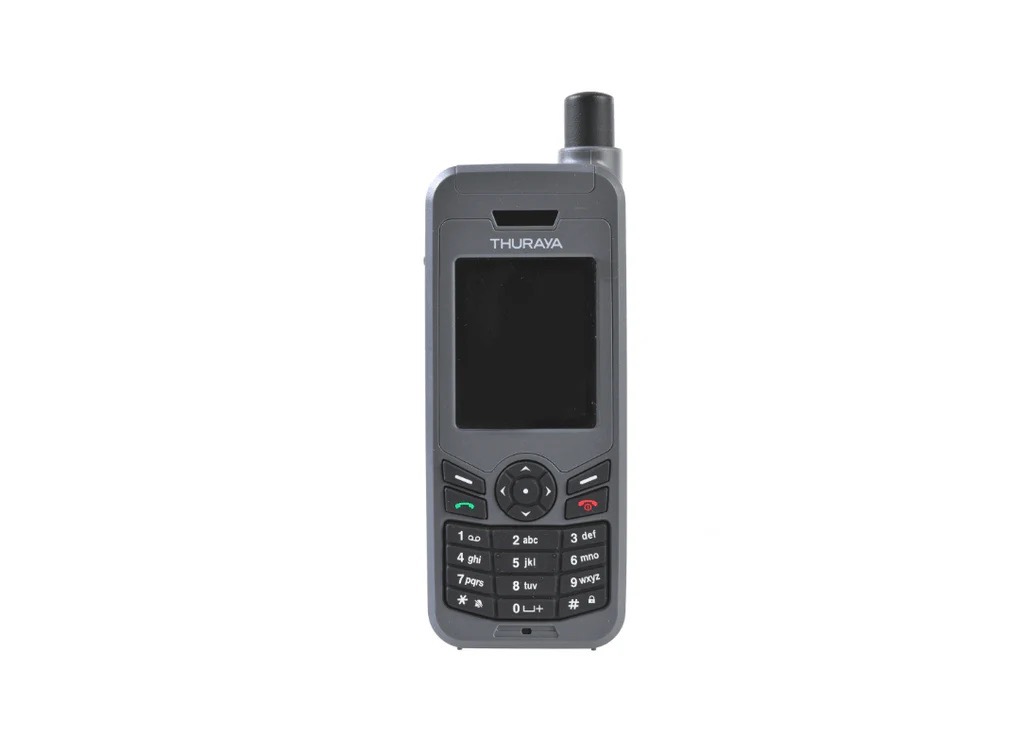
  • Emergency satellite phone (usage charges apply).
  • Daily expedition communication.
  • Professional weather forecasts.

10. Documentation & Gear

  • Government Summit Certificate.
  • Official Expedition Certificate.
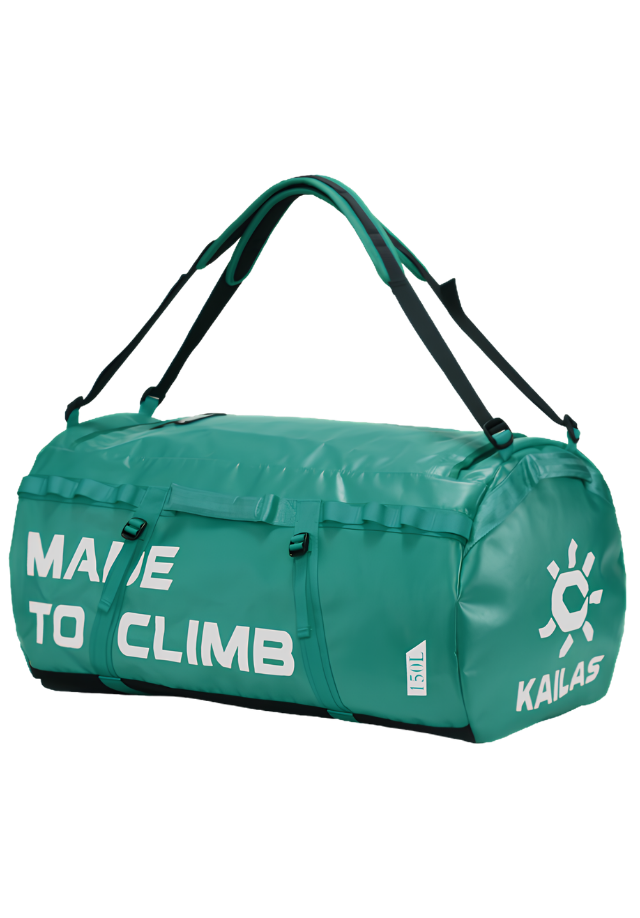
  • 14 Peaks Expedition duffle bag.
  • Route map.

Excludes

What is not covered in the itinerary

1. Travel & Visa

  • International airfare
  • Nepal entry visa

2. Meals in Kathmandu

  • Lunch and dinner in Kathmandu.

3. Insurance & Rescue

  • Personal travel insurance (including high-altitude rescue).
  • Emergency helicopter evacuation.

4. Climbing Equipment

  • Personal climbing equipment.
  • Equipment rental.
  • Personal supplemental oxygen.
  • Personal oxygen mask and regulator.

5. Personal Expenses

  • Internet and communication charges.
  • Laundry services.
  • Alcoholic beverages.
  • Personal medical expenses.
  • Other personal expenses.

6. Tips & Permits

  • Summit bonus for Climbing Sherpa.
  • Staff gratuities.
  • Photography and drone permits.

7. Additional Costs

  • Extra accommodation due to delays.
  • Any services not listed under Cost Includes.

Trip Itinerary

A thoughtful daily breakdown of the journey with route highlights

Travel Documents
5 items recommended for this trek
Valid Passport
Valid Passport
Debit/Credit Card
Debit/Credit Card
PP Size Photos(4 Pieces)
Insurance Paper/Certificate
Emergency Contact Details
Medicine / First Aid Kits
17 items recommended for this trek
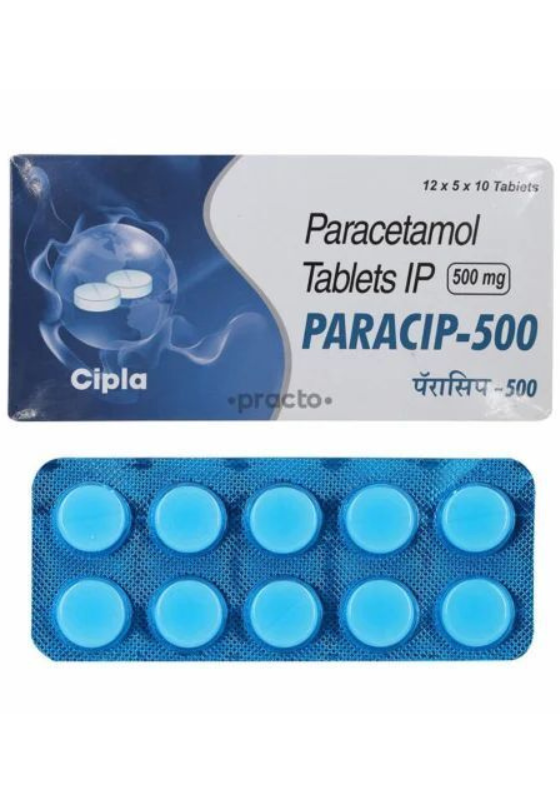
Paracetamol 500 mg
Paracetamol 500 mg
Ibuprofen 400mg
Ibuprofen 400mg
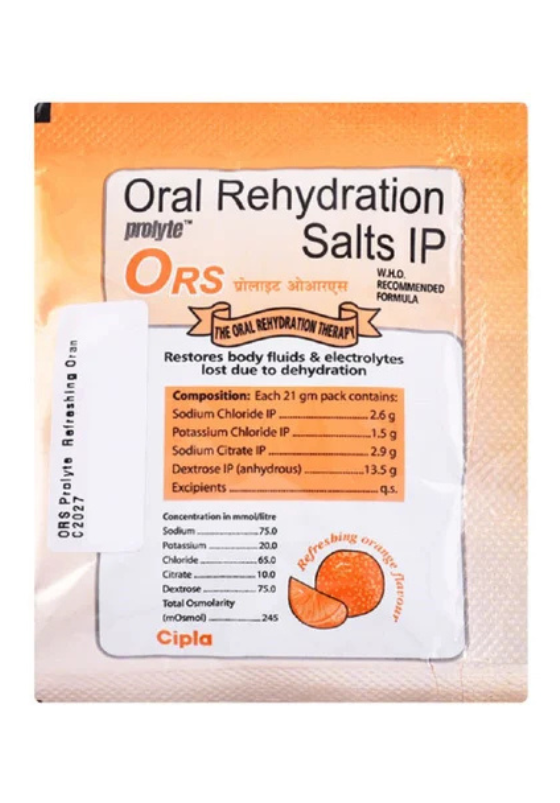
Oral Rehydration Salts (ORS)
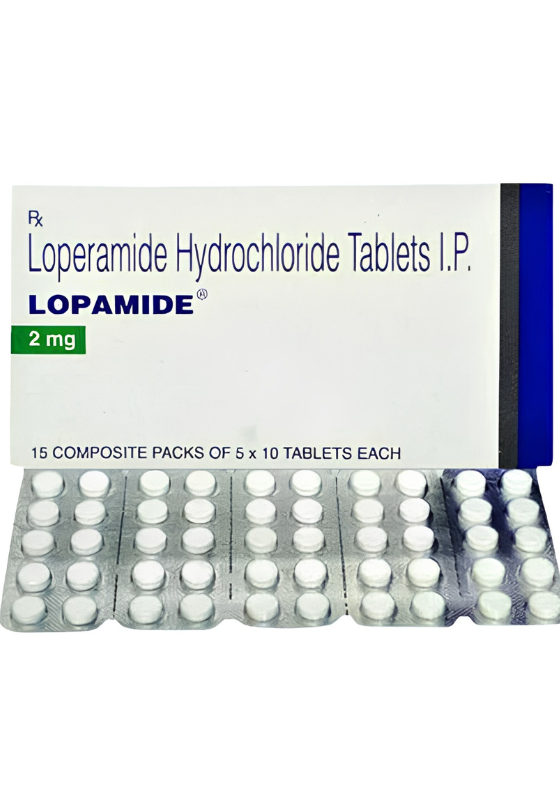
Loperamide
Loperamide
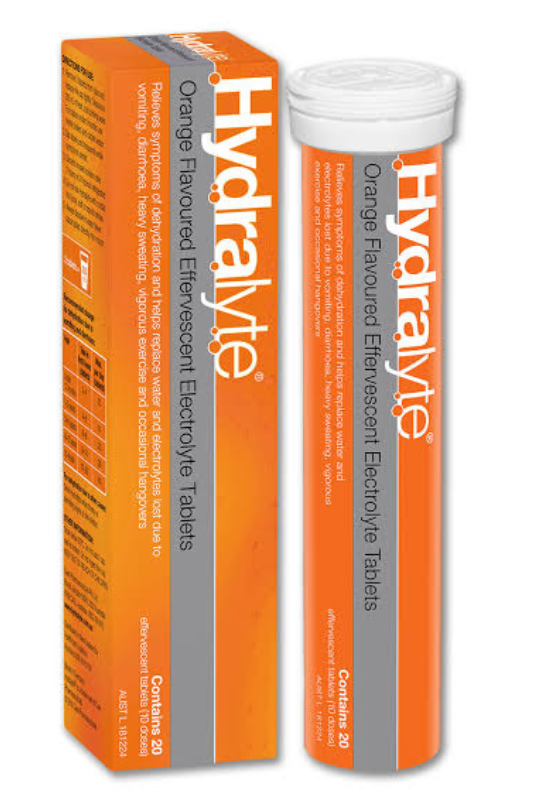
Electrolyte tablets
Electrolyte tablets
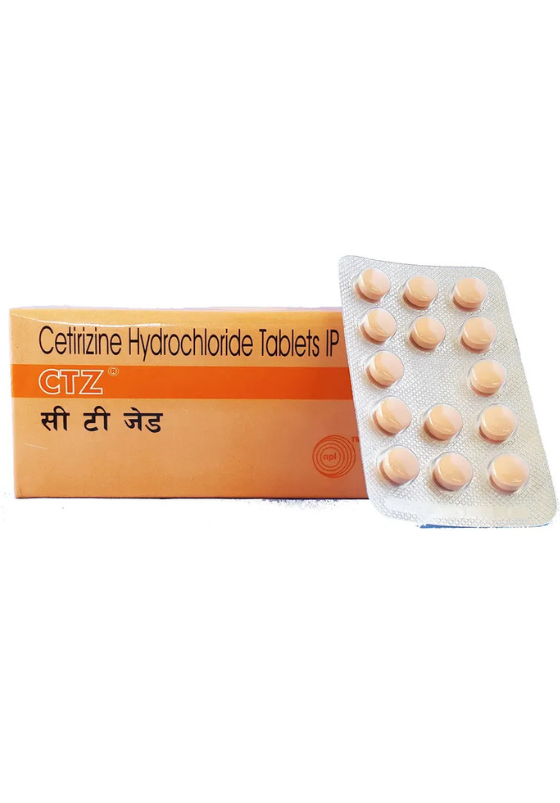
Cetirizine
Cetirizine
Omeprazole
Omeprazole
Antacid Tablets
Antacid Tablets
Cough Lozenges
Cough Lozenges
Lubricating Eye Drops
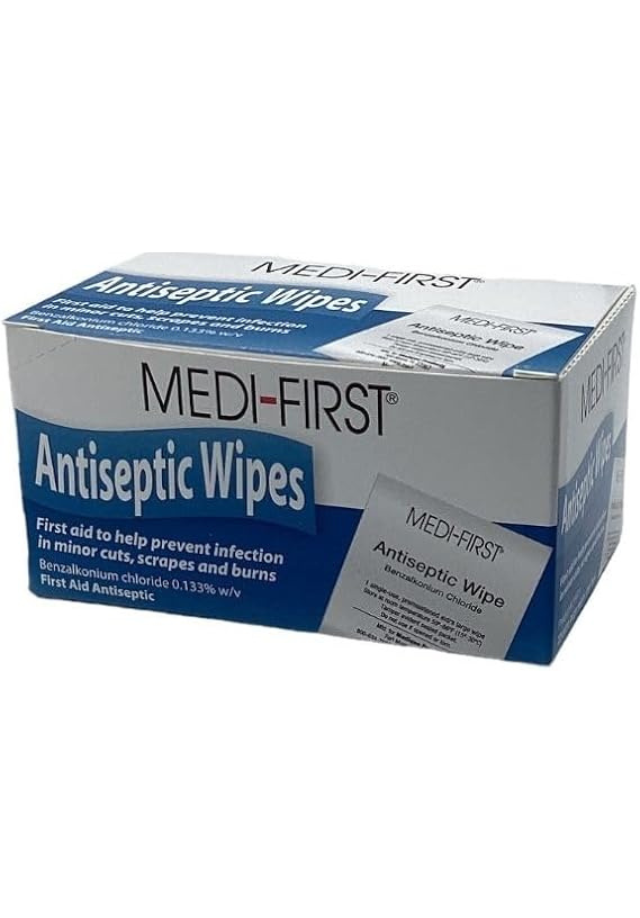
Antiseptic Wipes
Antiseptic Wipes
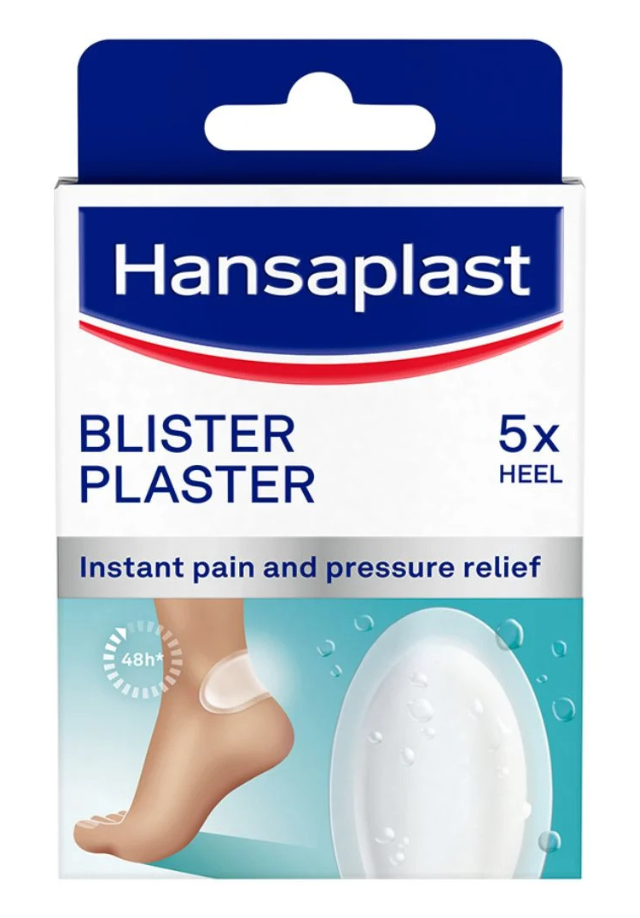
Blister Plasters
Blister Plasters
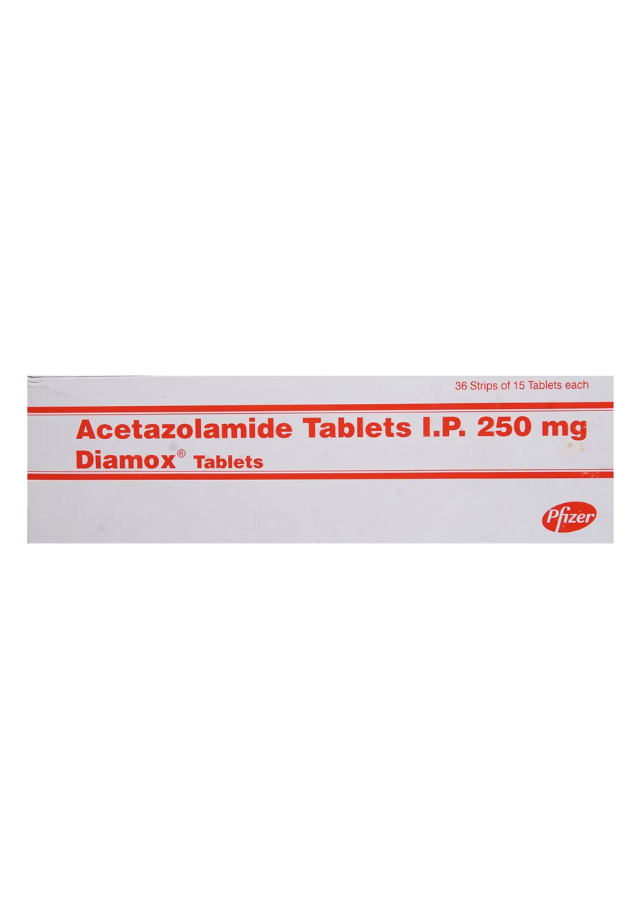
Acetazolamide (Diamox) 250 mg
Dexamethasone 4 mg
Dexamethasone 4 mg
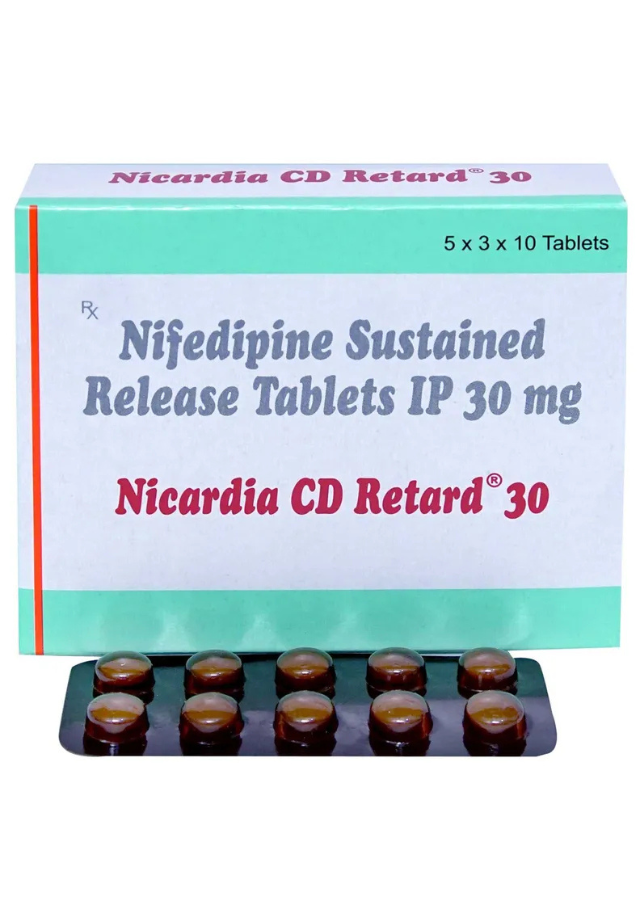
Nifedipine 30mg
Nifedipine 30mg
Aspirin 300mg
Aspirin 300mg
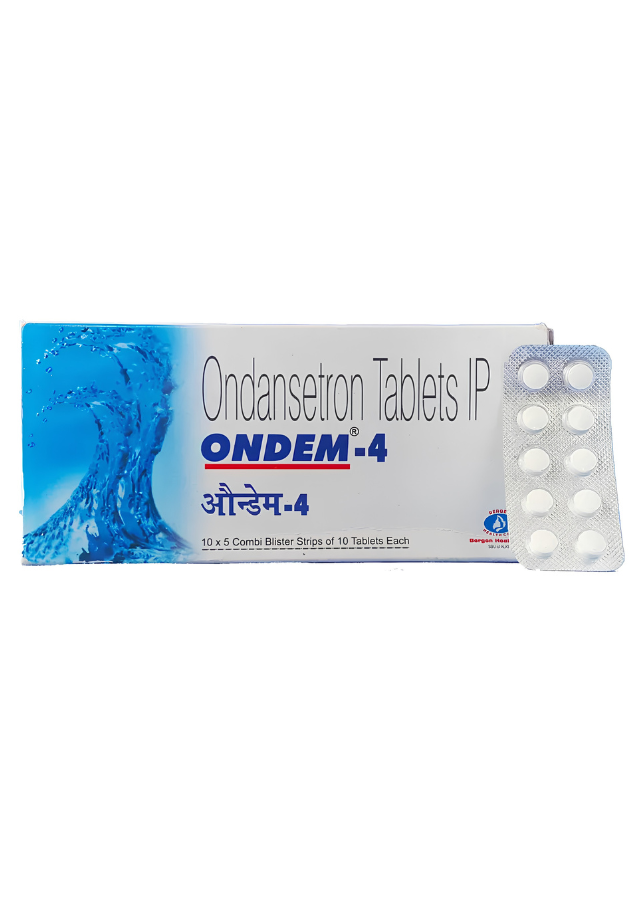
Ondansetron 4 mg
Ondansetron 4 mg
Upper Body
7 items recommended for this trek
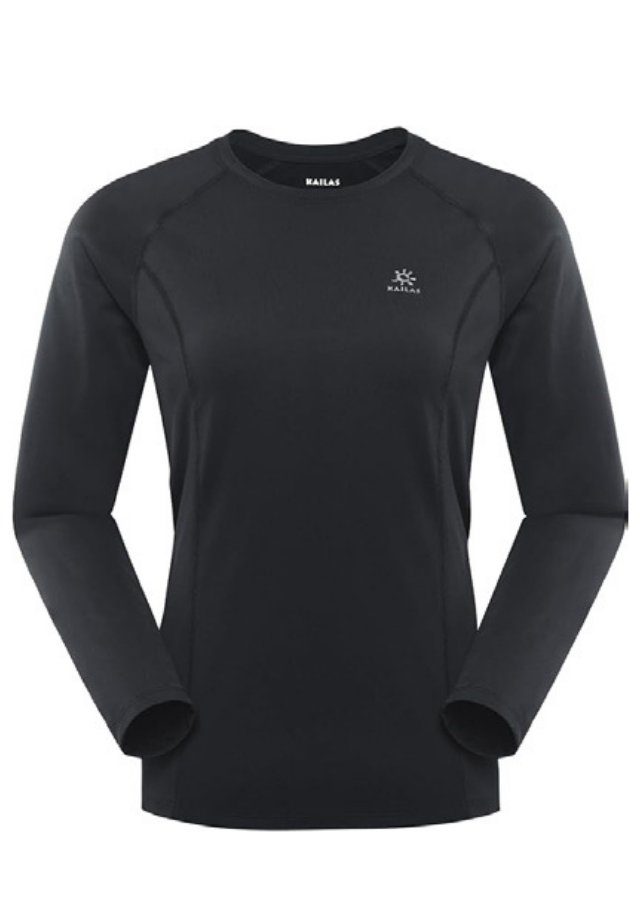
Thermal Base Layer
Thermal Base Layer
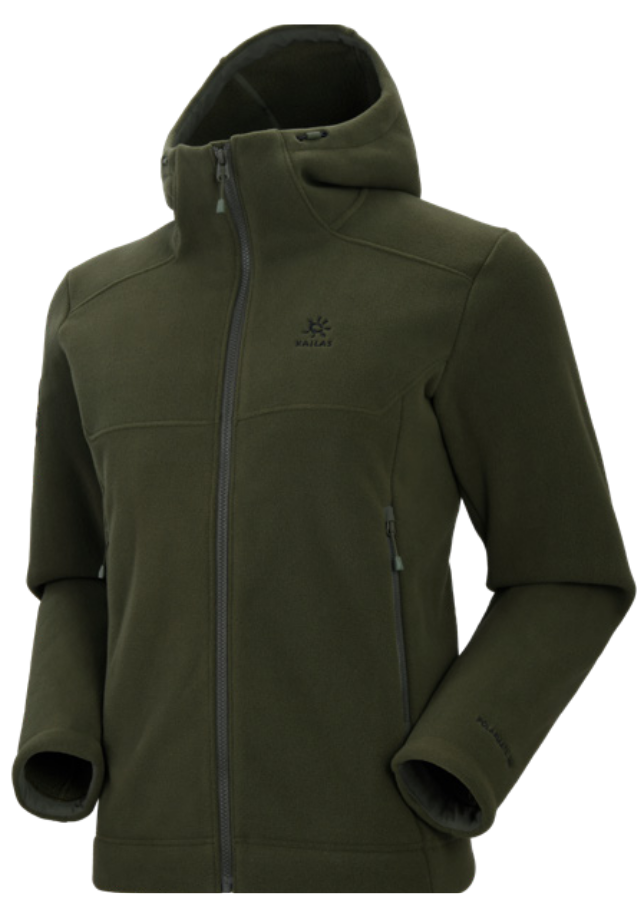
Fleece Jacket
Fleece Jacket
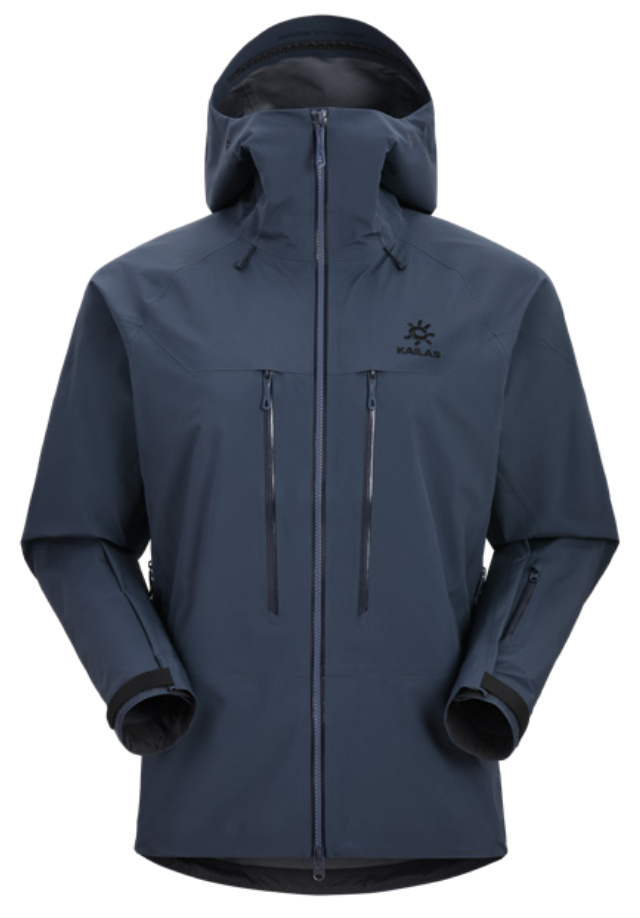
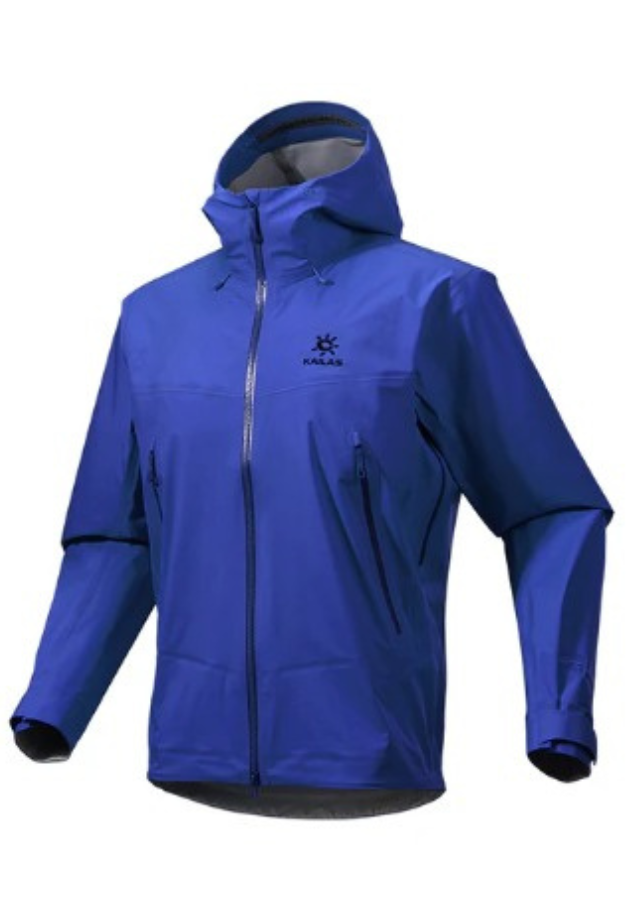
Gore Tex Jacket
Gore Tex Jacket
Wind Proof Jacket
Wind Proof Jacket
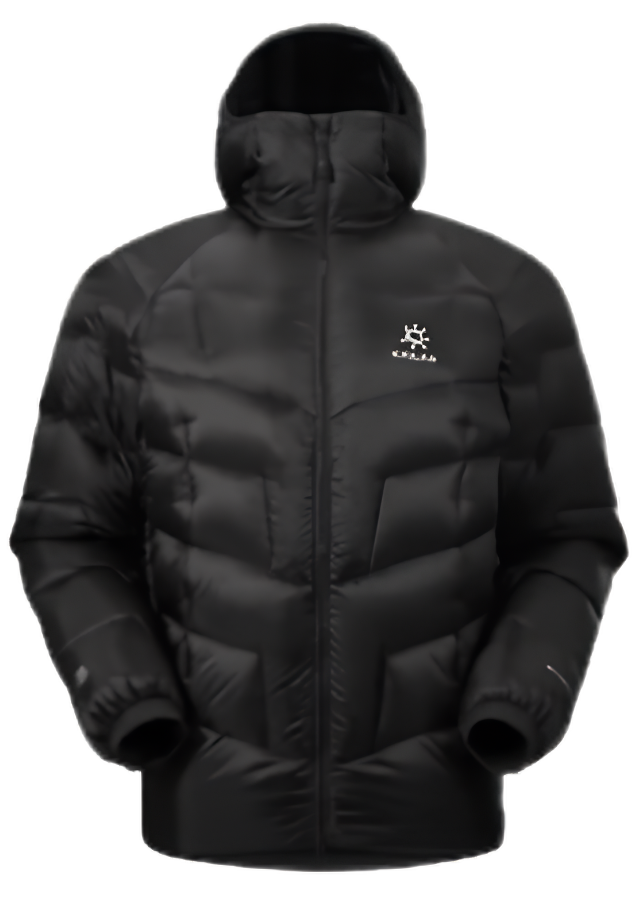
Heavy Down Jacket
Heavy Down Jacket
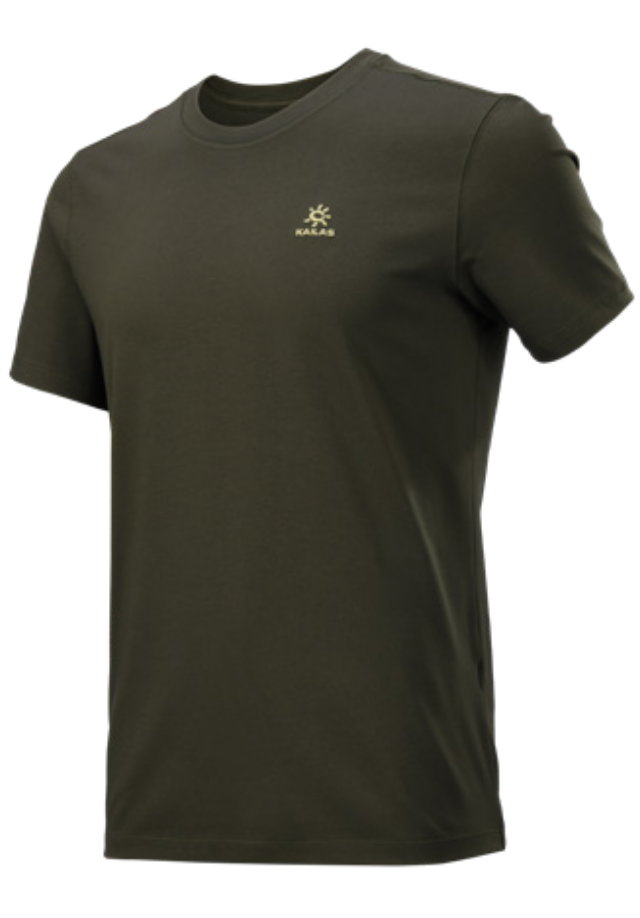
Cotton T-Shirt
Cotton T-Shirt
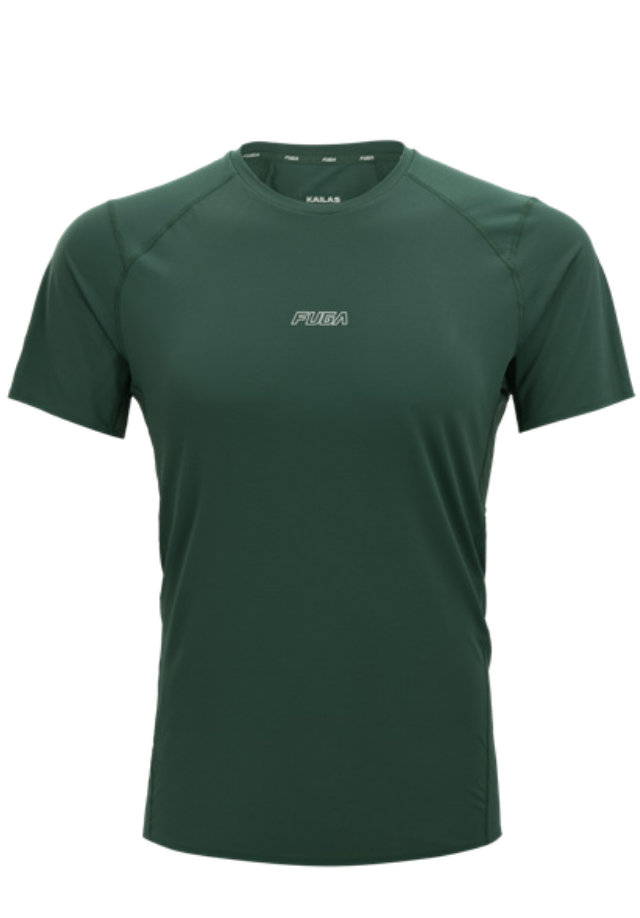
Dry-Fit Tshirt
Dry-Fit Tshirt
Lower Body
8 items recommended for this trek
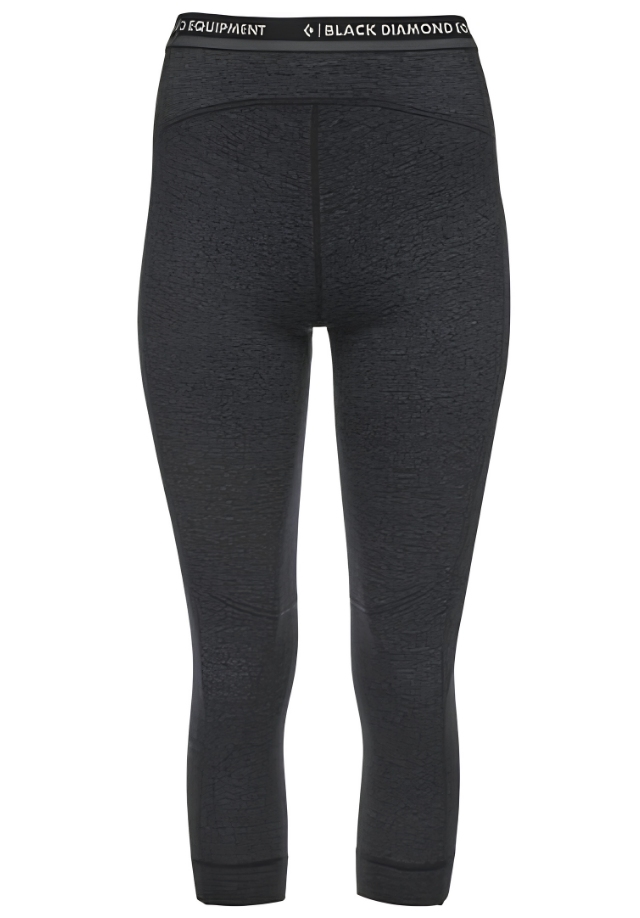
Thermal Base Layer
Thermal Base Layer
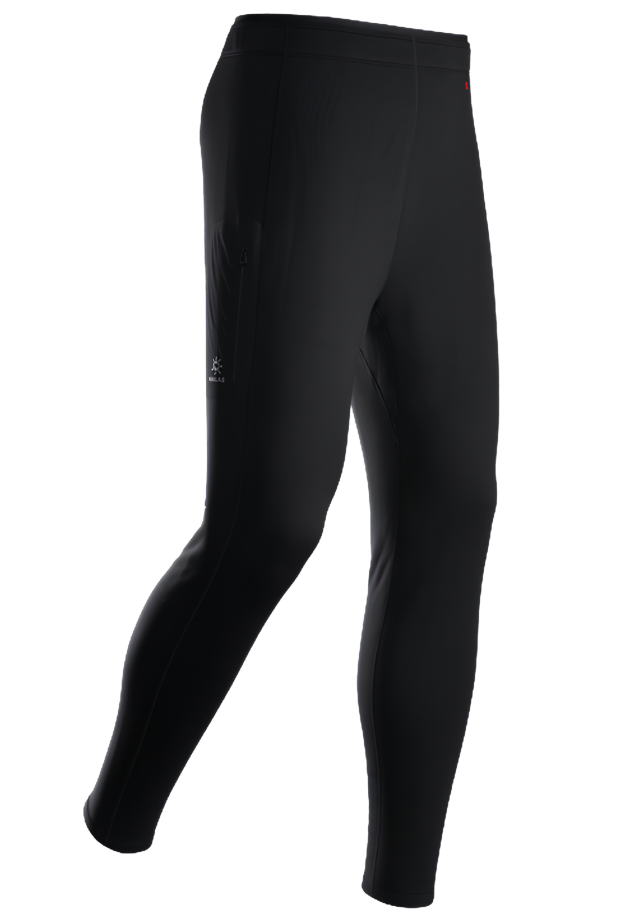
Fleece Trouser
Fleece Trouser
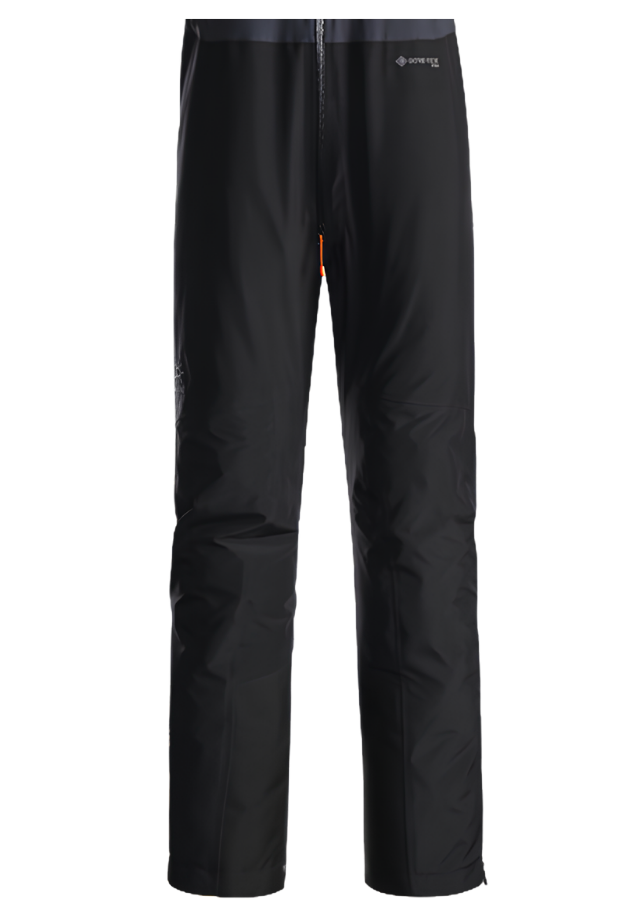
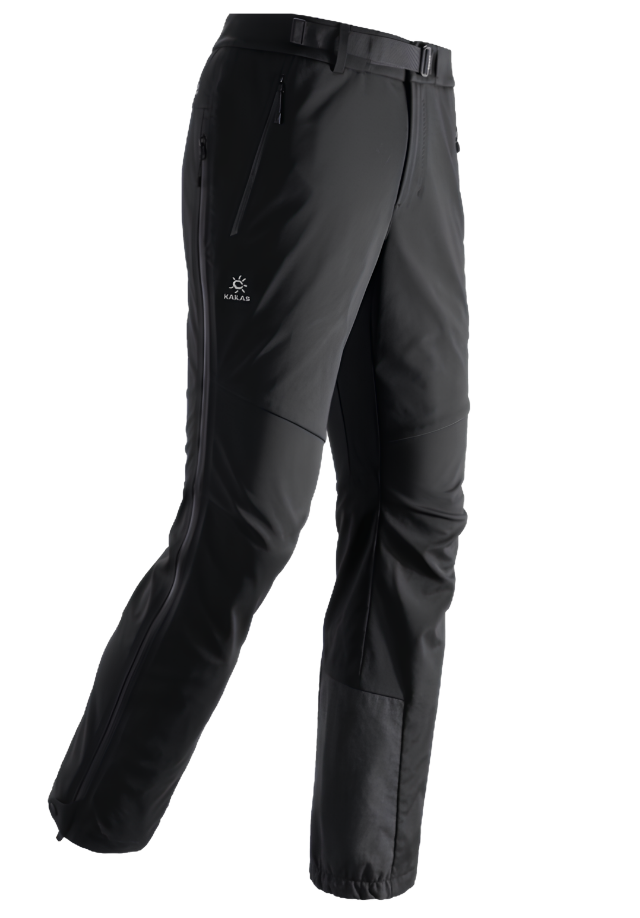
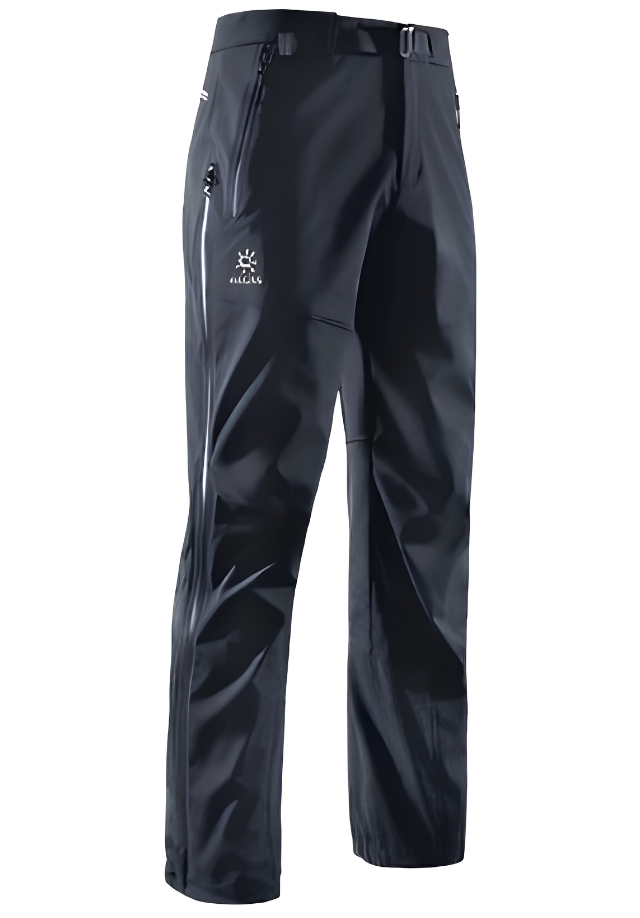
Gore Tex Pant
Gore Tex Pant
Heavy Weight Pant
Heavy Weight Pant
Mid Weight Pant
Mid Weight Pant
Trekking Pant
Trekking Pant
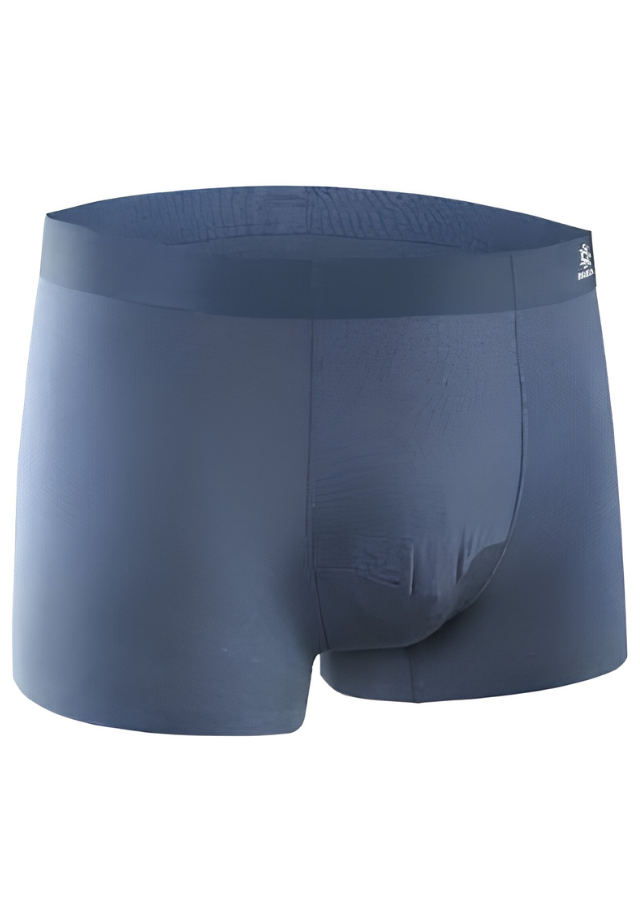
Under Wear
Under Wear
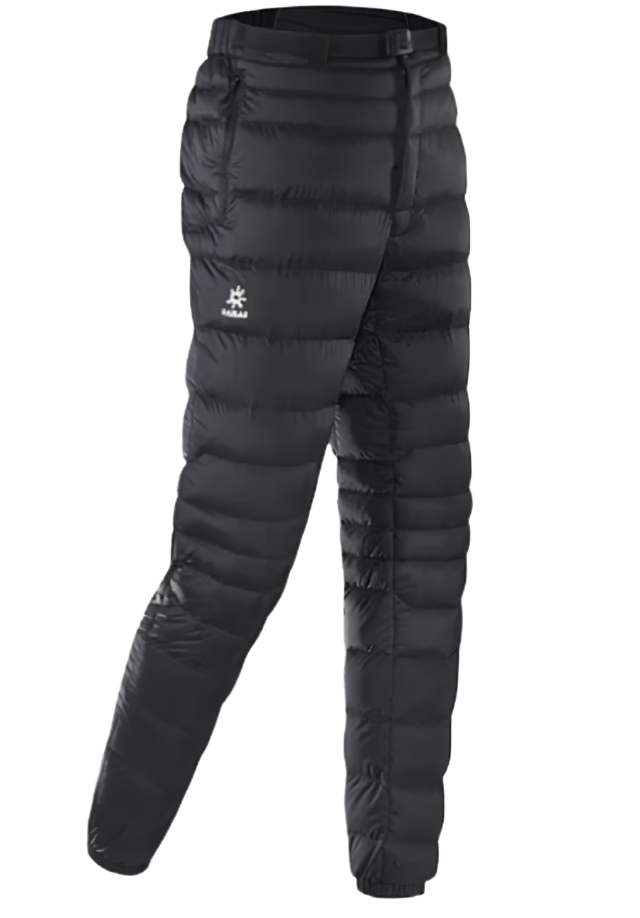
Down Pant
Down Pant
Foot Wear
9 items recommended for this trek
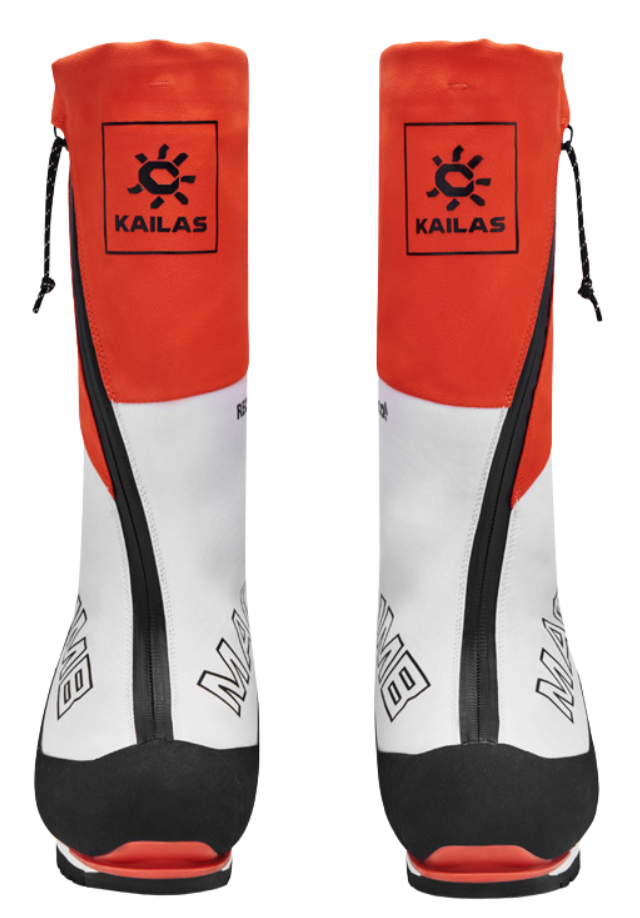
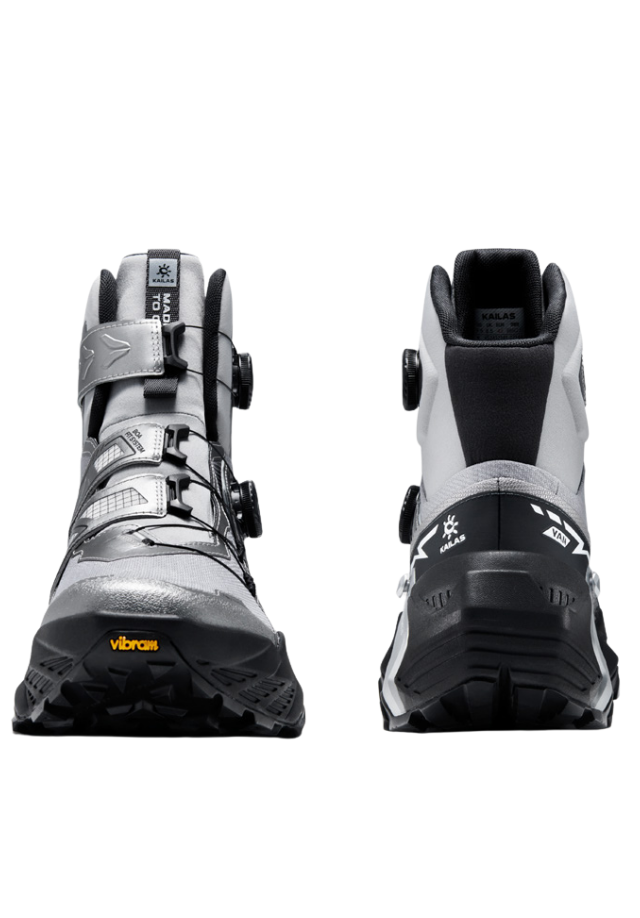
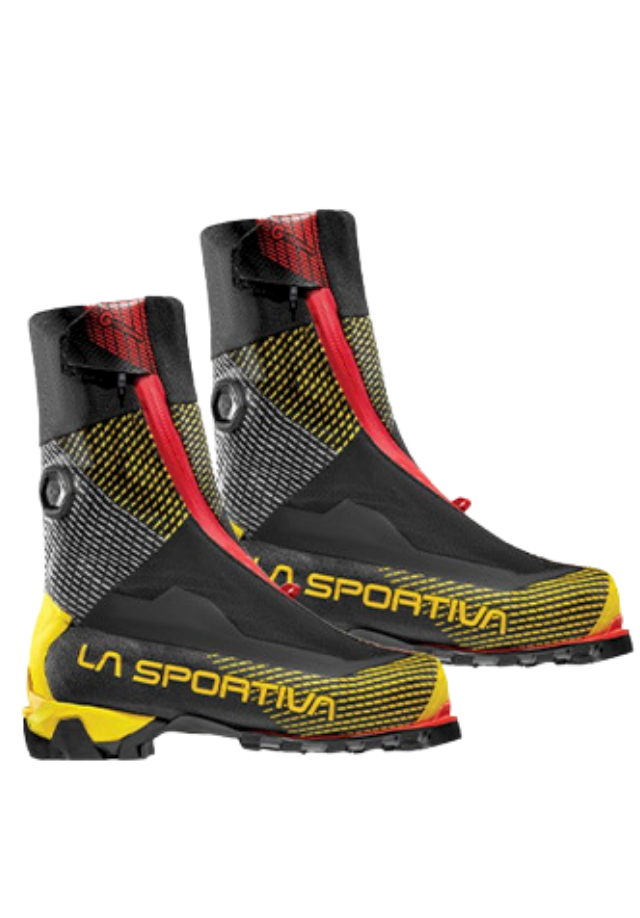
Summit Boot - 8000m
Summit Boot - 8000m
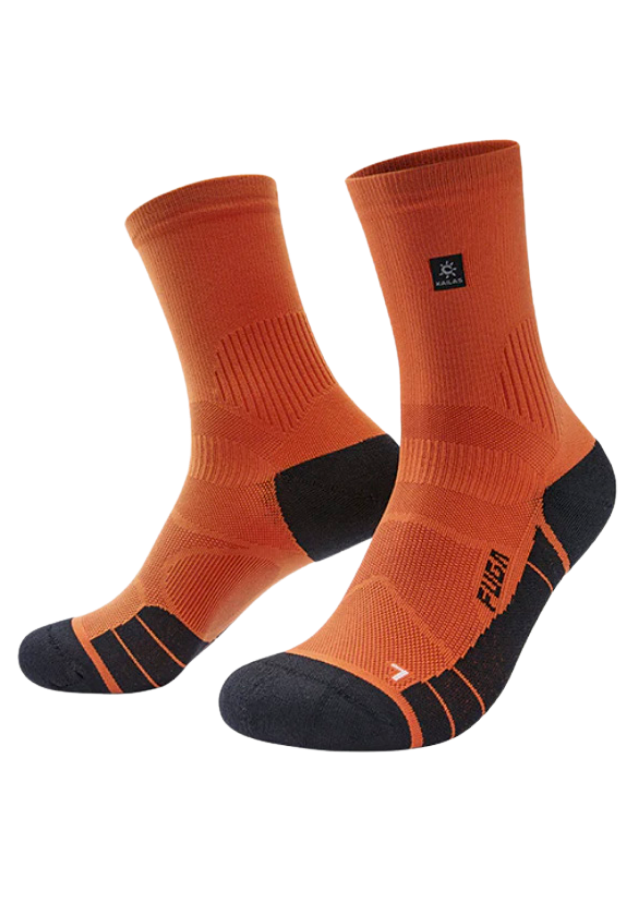
Normal Socks
Normal Socks
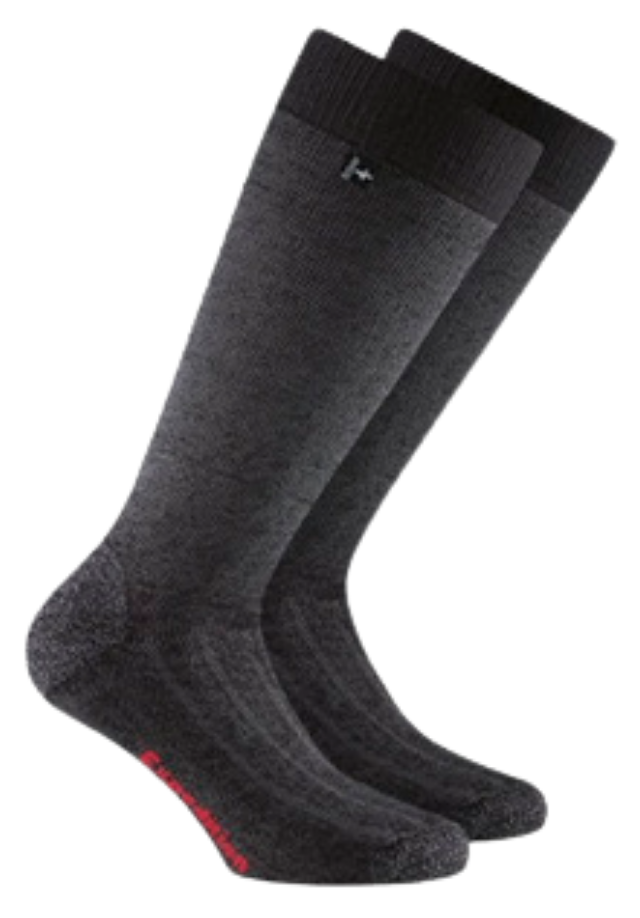
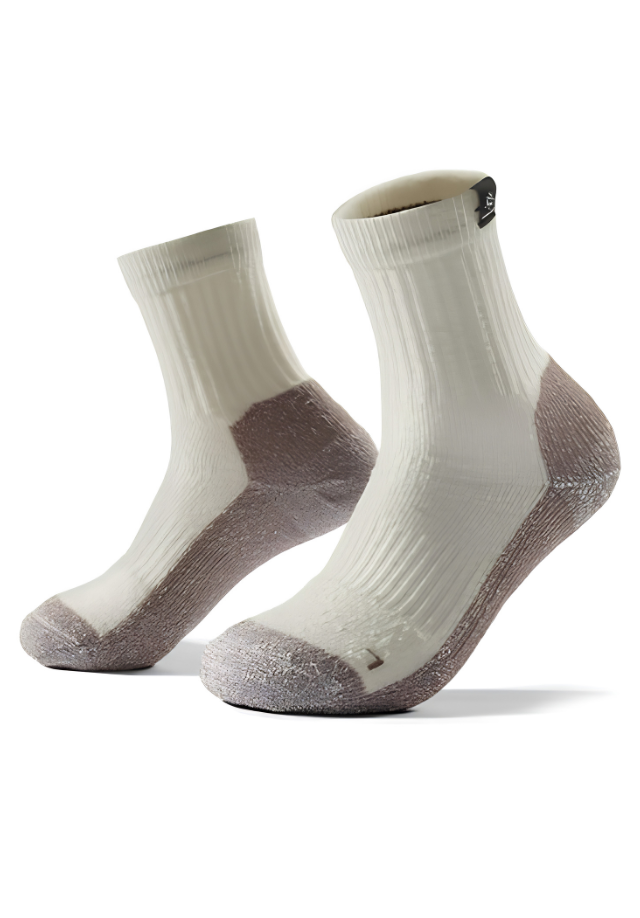
Summit Socks
Summit Socks
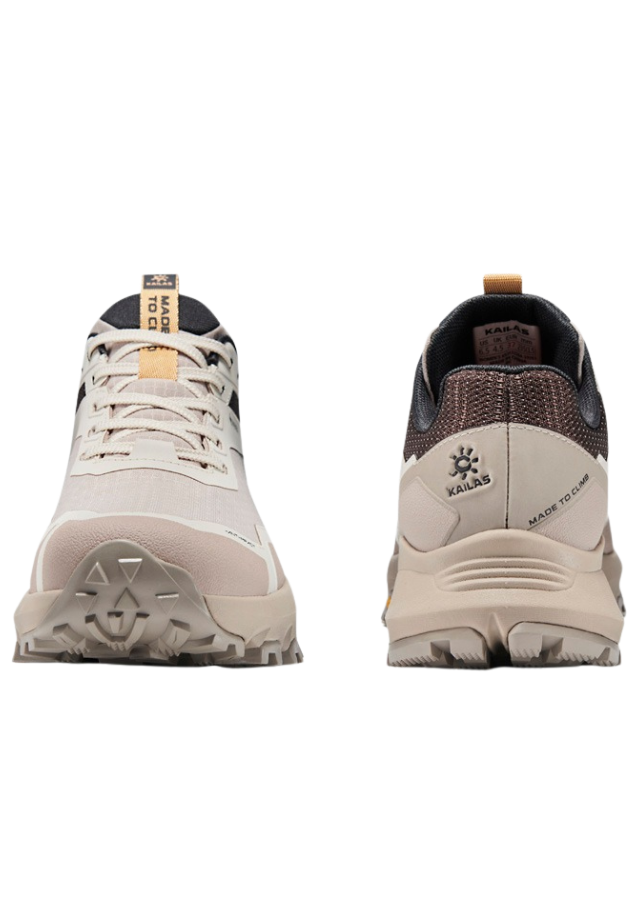
Trekking Shoes
Trekking Shoes
Sport Shoes
Sport Shoes
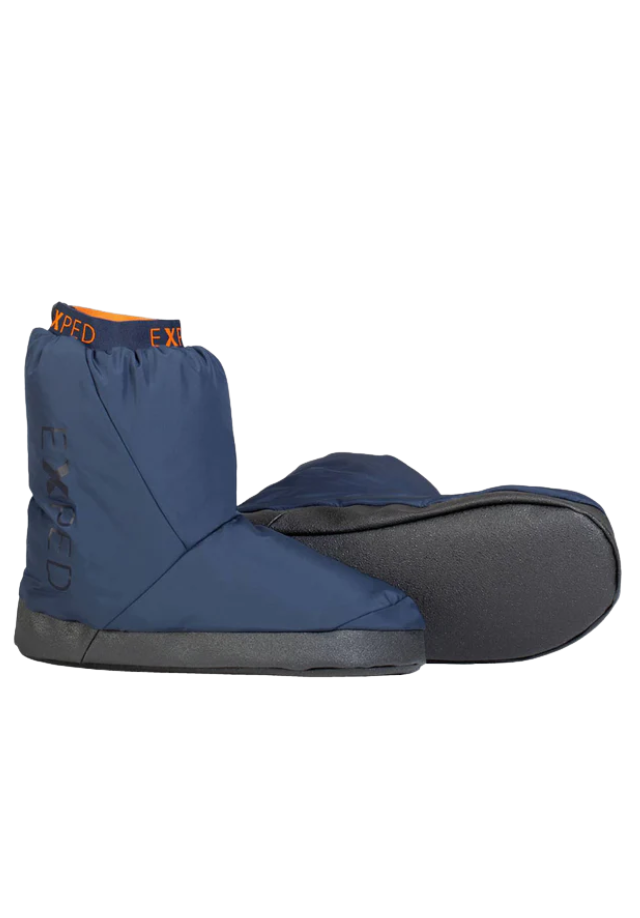
Camp Booties
Camp Booties
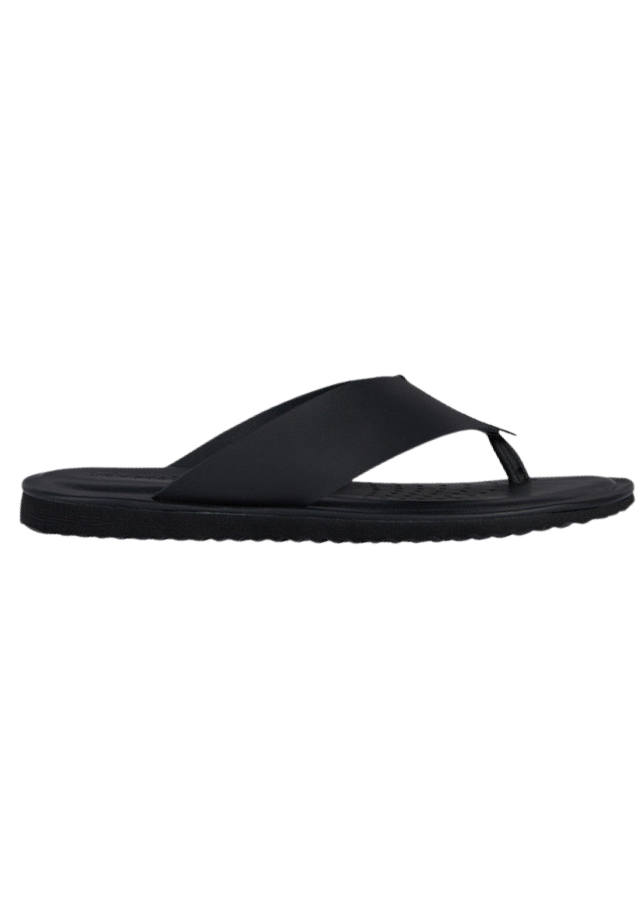
Slippers
Slippers
Warm Climbing Socks
Warm Climbing Socks
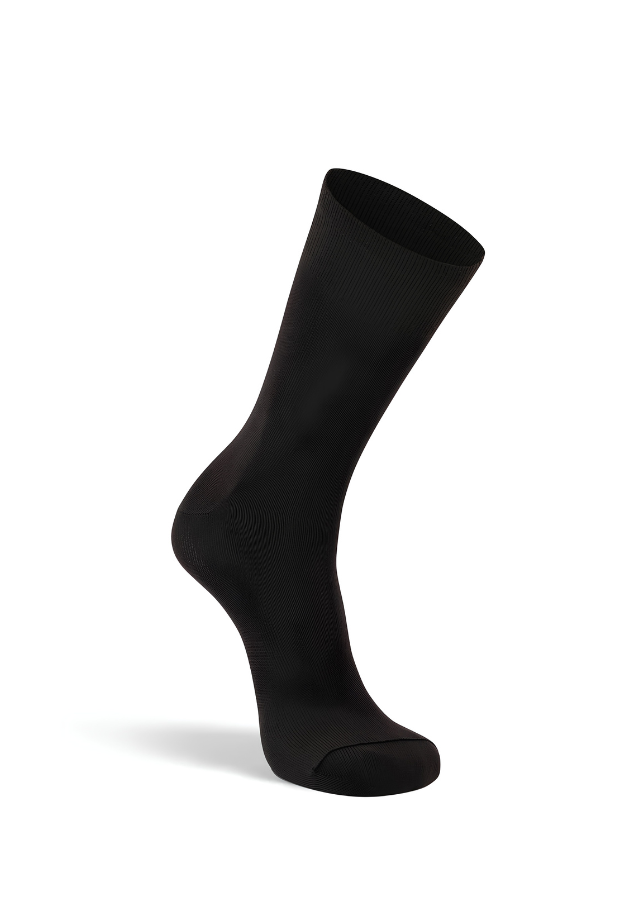
Liner Socks
Liner Socks
Hand
4 items recommended for this trek
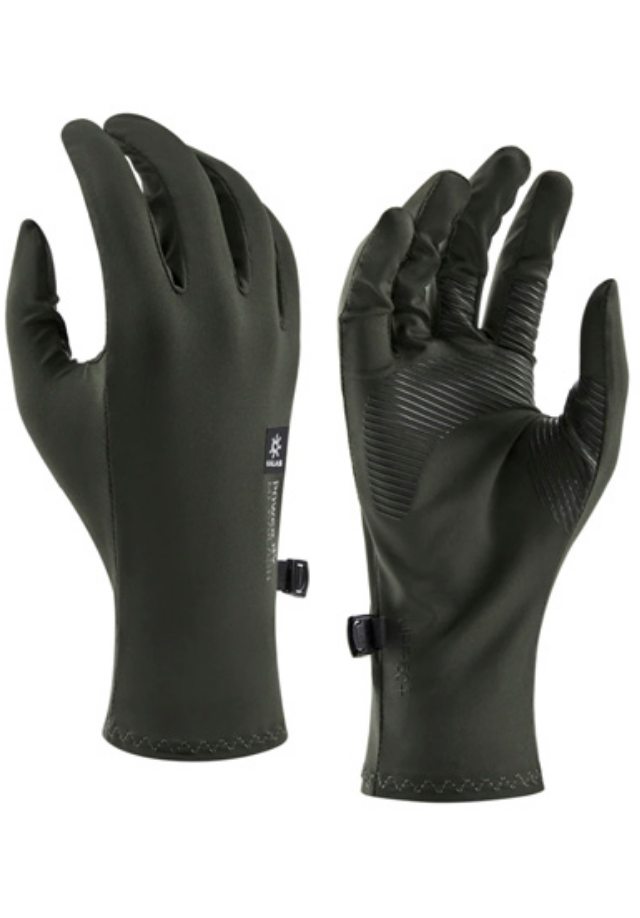
Thin Fleece Gloves
Thin Fleece Gloves
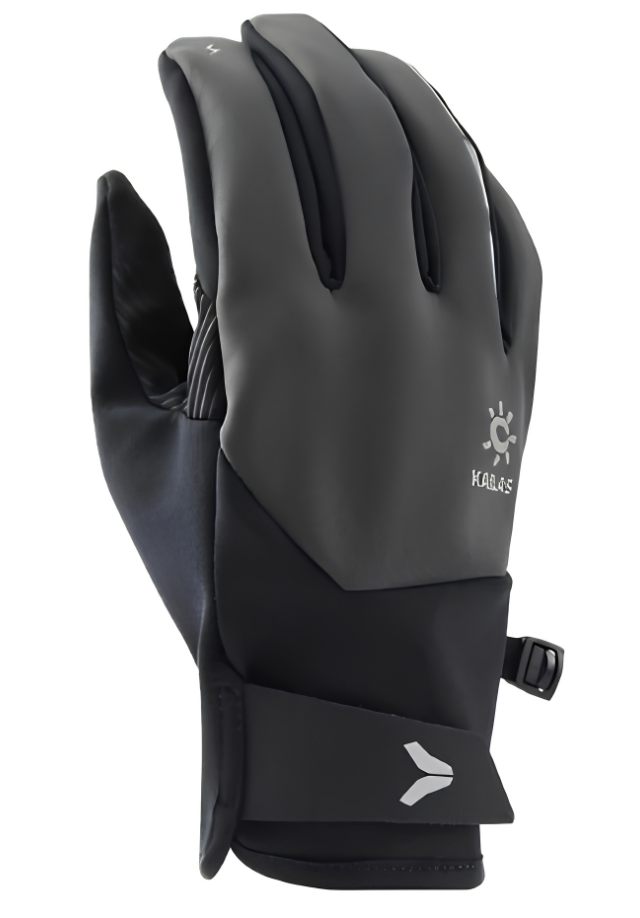
Wind Stopper Gloves
Wind Stopper Gloves
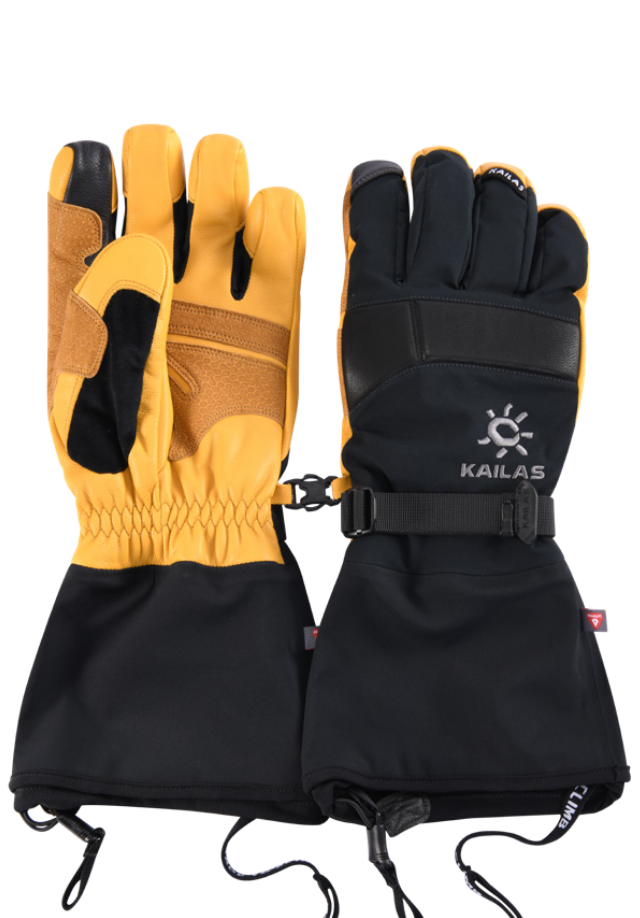
Heavy Gloves(Guide)
Heavy Gloves(Guide)
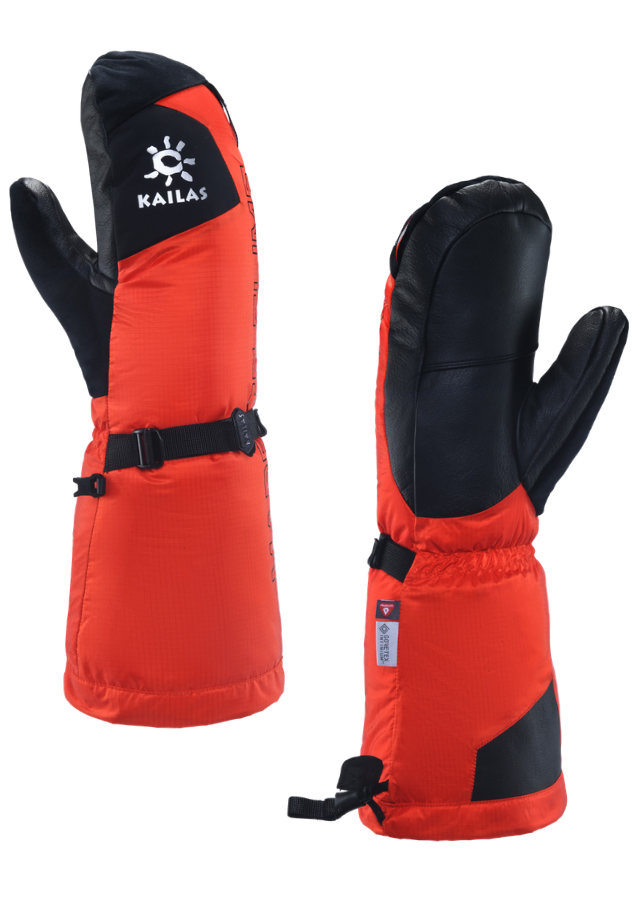
Summit Gloves
Summit Gloves
Head
7 items recommended for this trek
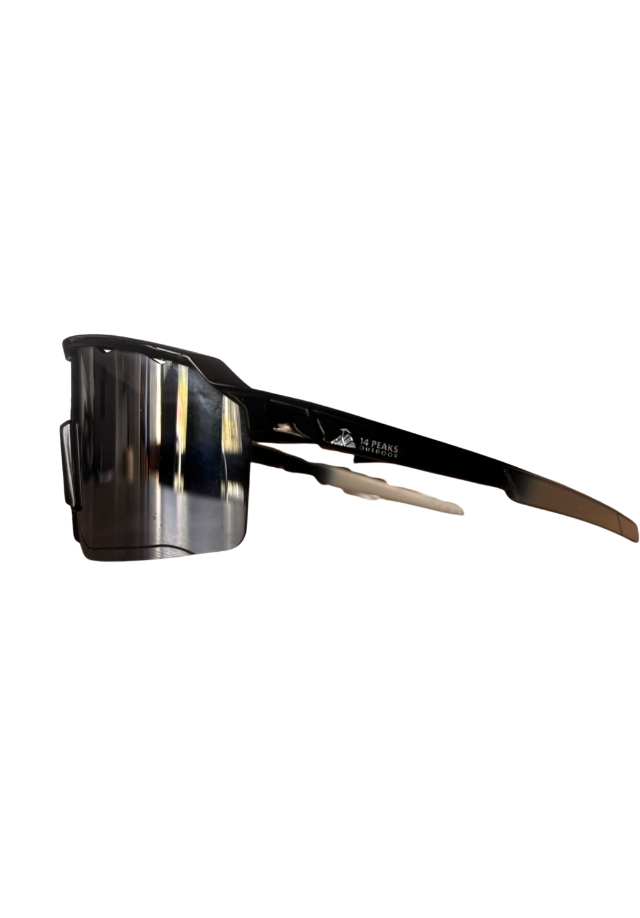
Glacier  Glasses (Polarized UV Protection)
Glacier Glasses (Polarized UV Protection)
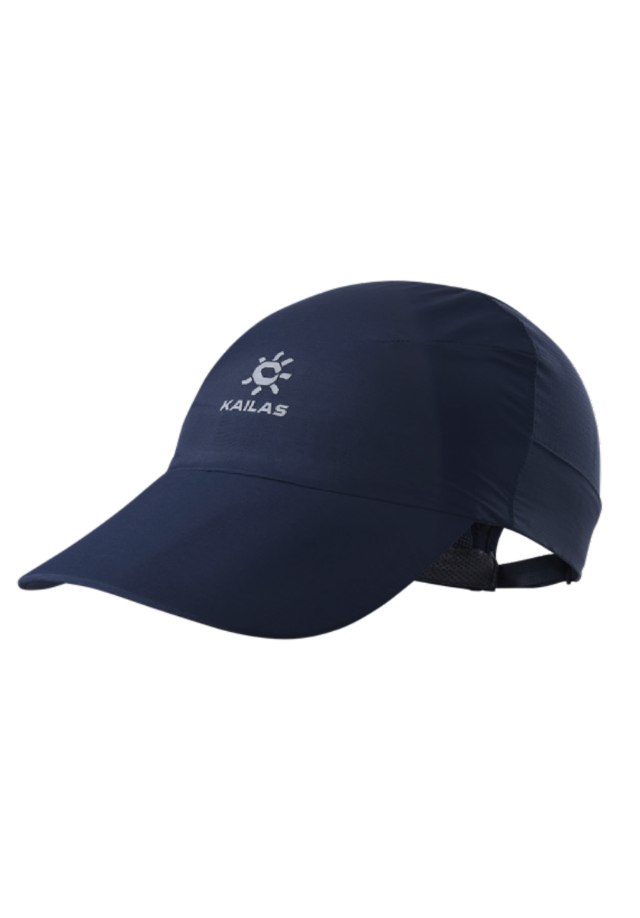
Sun Cap
Sun Cap
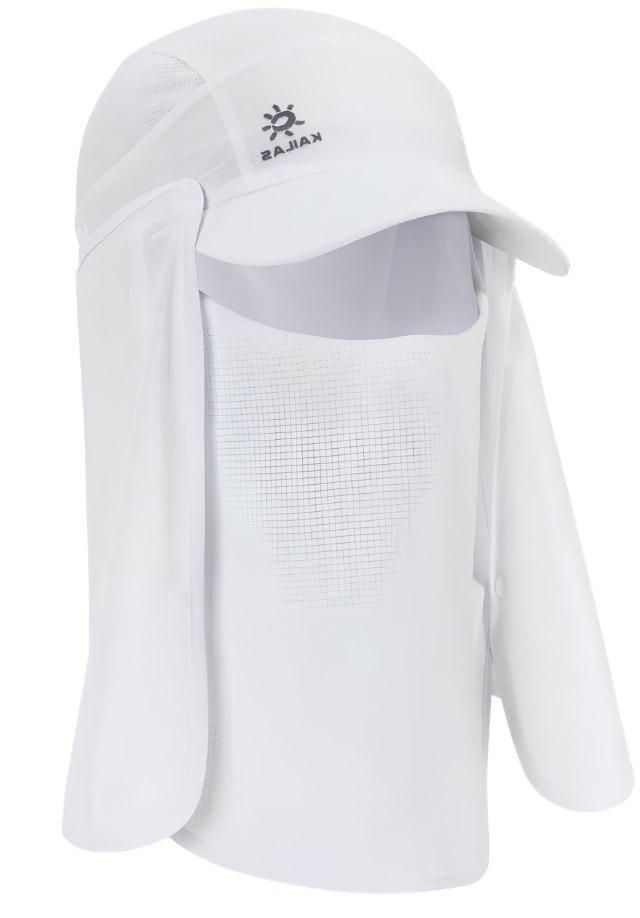
Desert Cap
Desert Cap
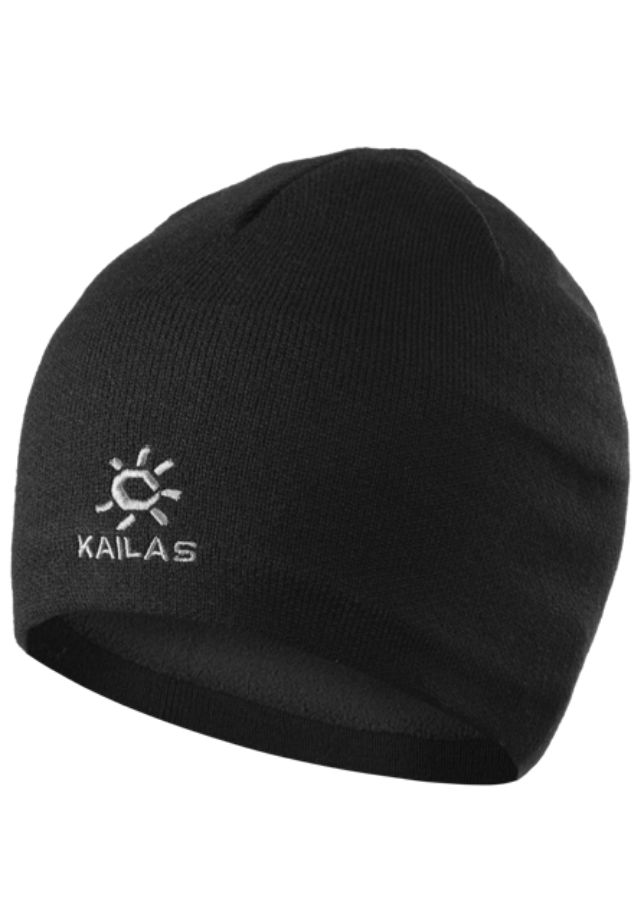
Fleece Hat/Warm Hat
Fleece Hat/Warm Hat
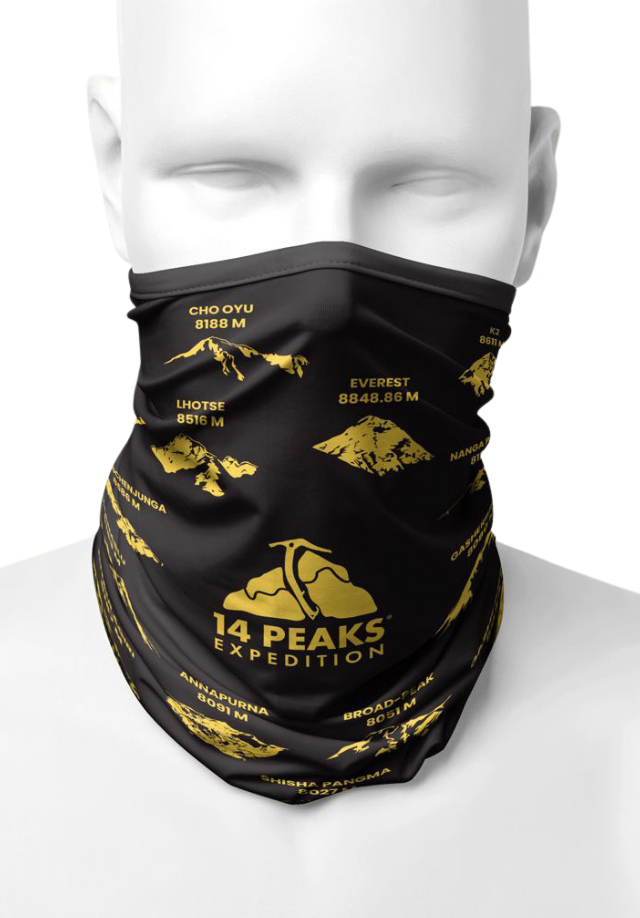
Neck Gaiter
Neck Gaiter
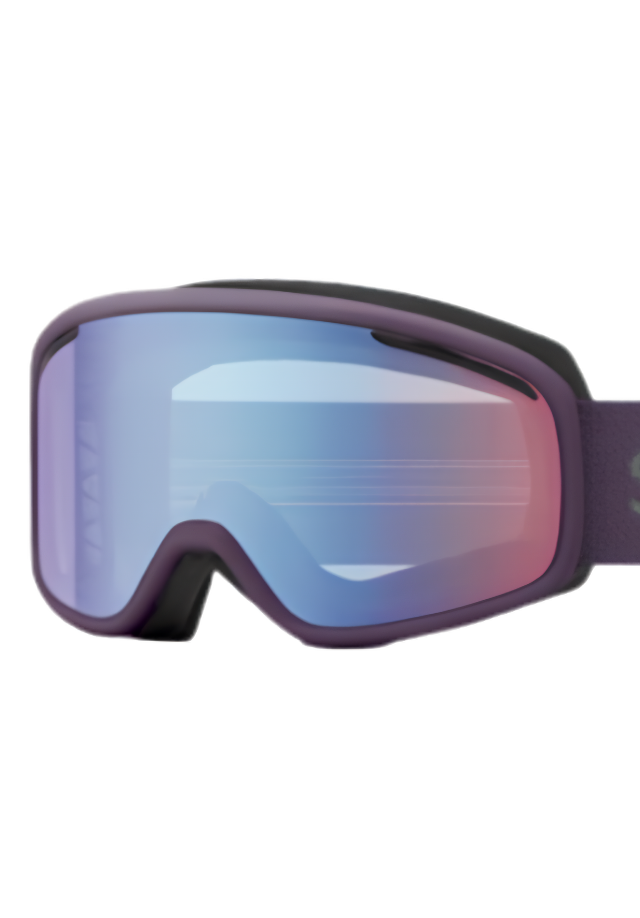
Snow Goggles ( UV Protection )
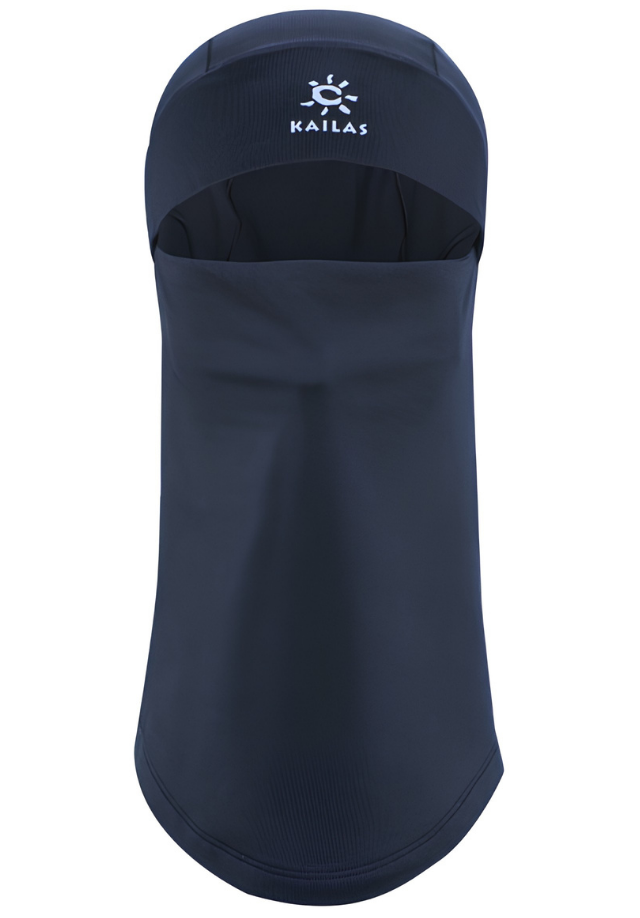
Balaclava
Balaclava
Sun Stuff
3 items recommended for this trek
Sunscreen
Sunscreen
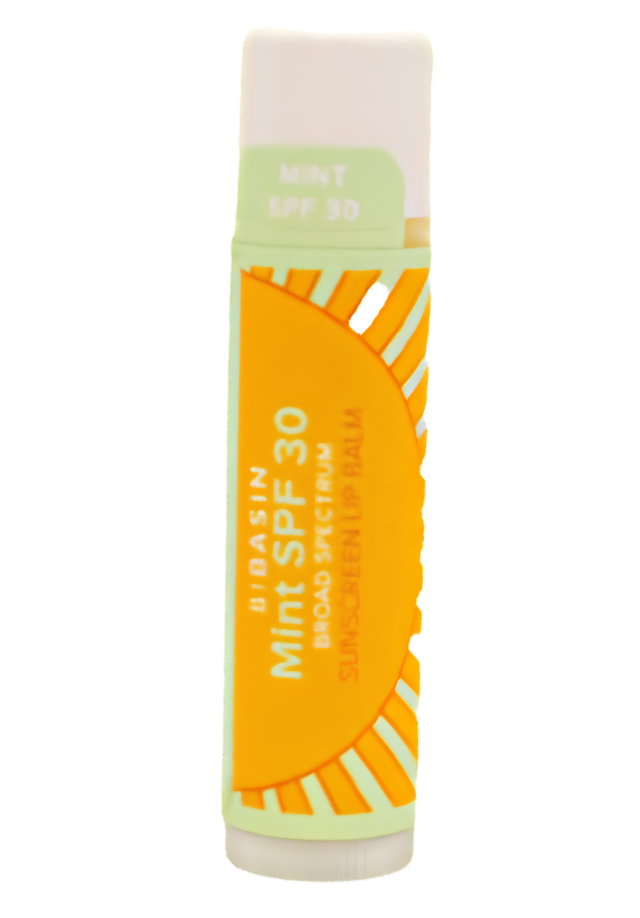
Lip Guard (SPF)
Lip Guard (SPF)
Moisturizer
Moisturizer
Eating & Drinking
2 items recommended for this trek
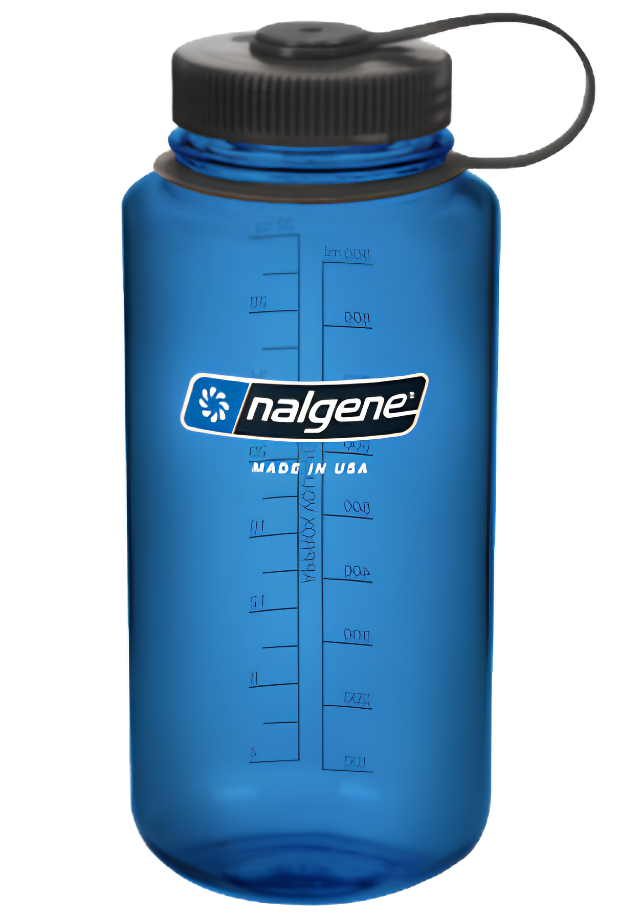
Water bottle
Water bottle
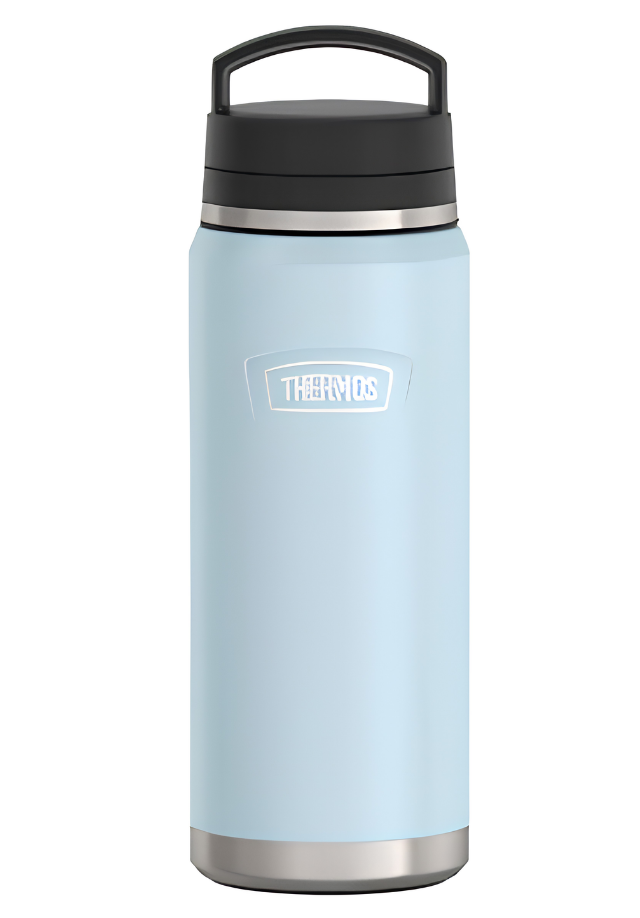
Thermos
Thermos
Toiletries
6 items recommended for this trek
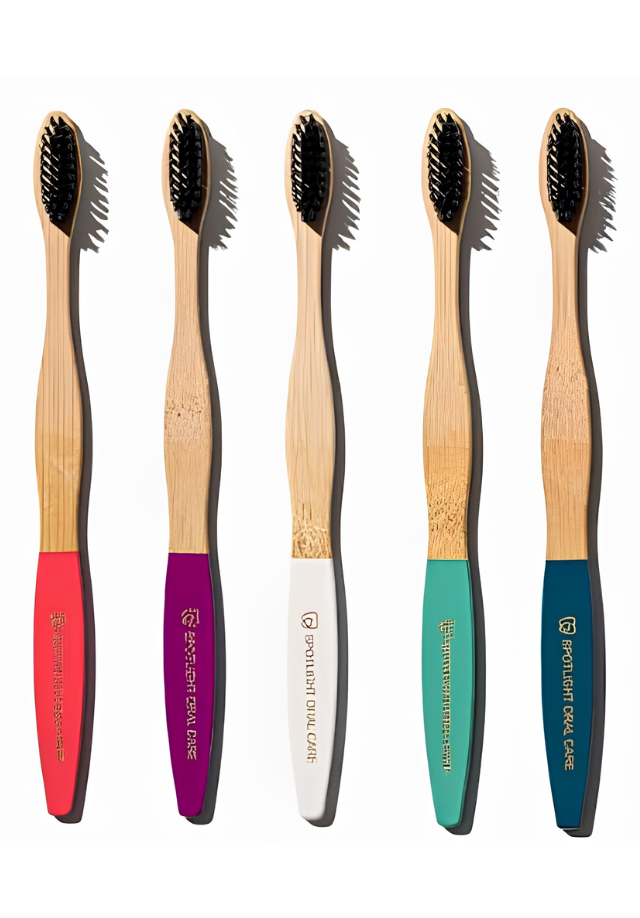
Toothbrush
Toothbrush
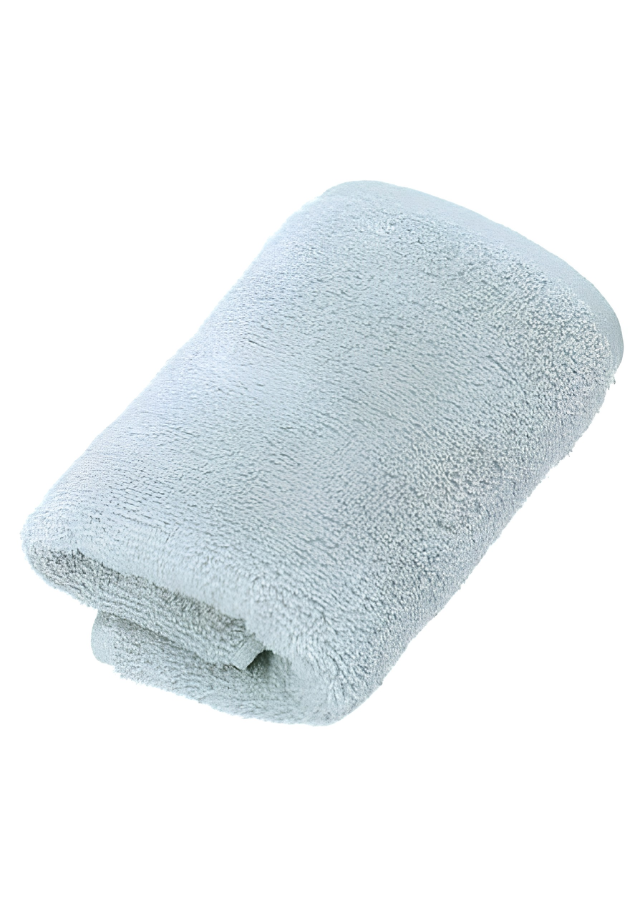
Towel
Towel
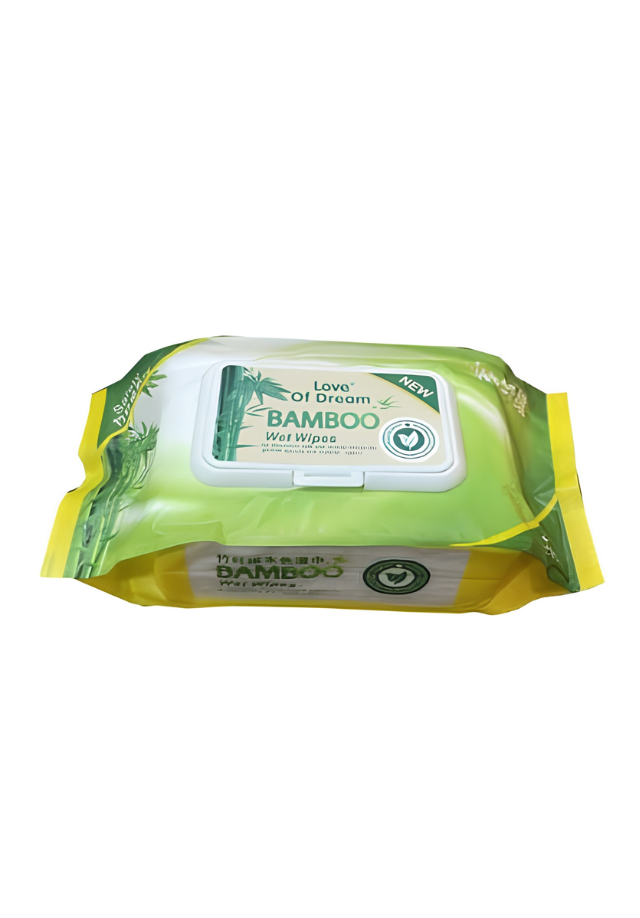
Wet Wipes
Wet Wipes
Toothbrush
Toothbrush
Shampoo
Shampoo
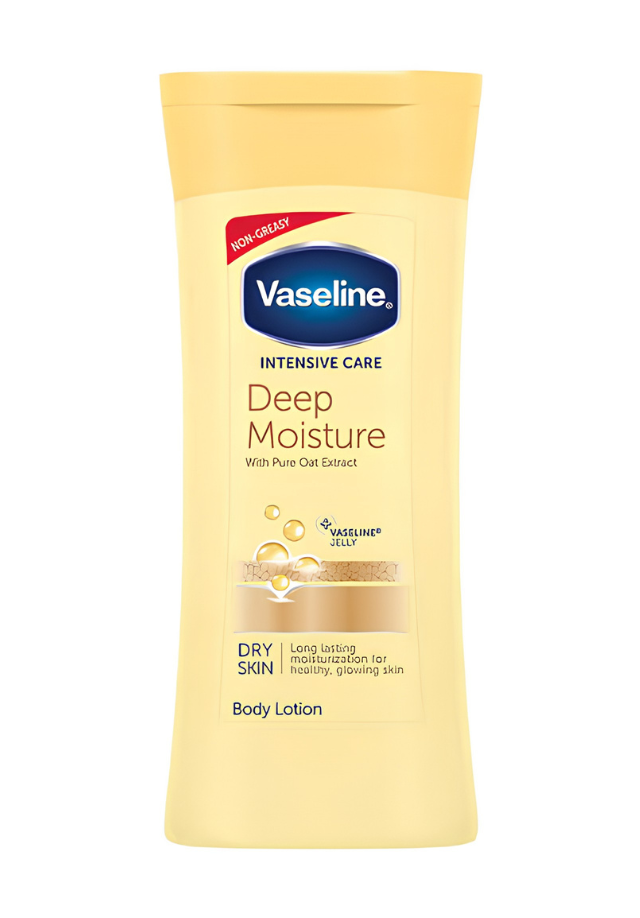
Body Lotion
Body Lotion
Sleeping Stuffs
5 items recommended for this trek
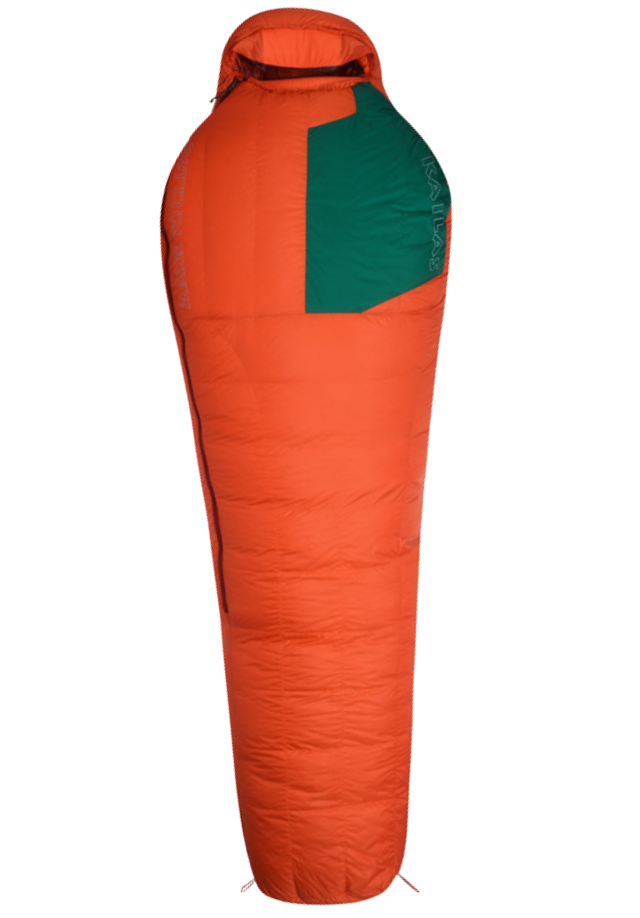
Sleeping Bag
Sleeping Bag
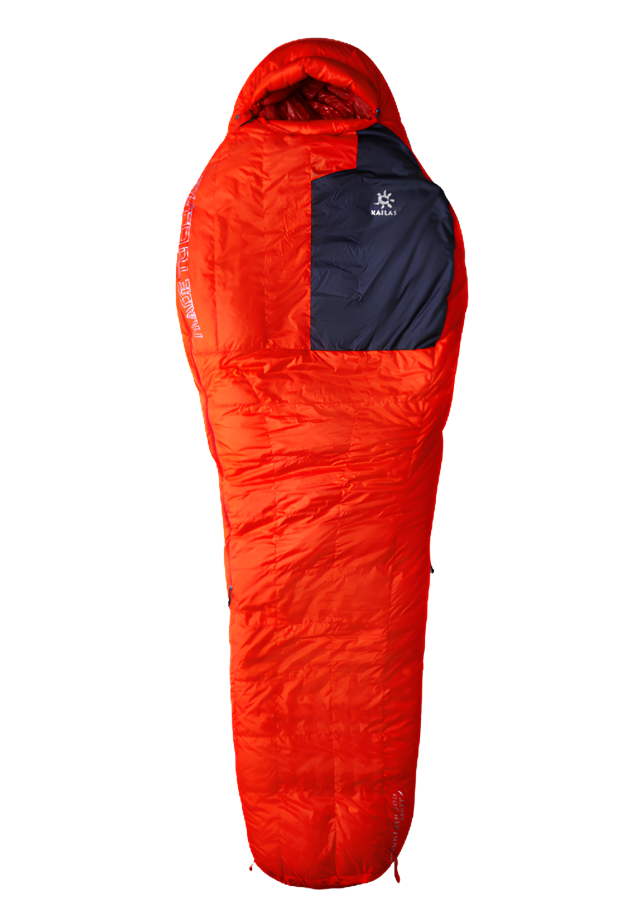
Down Sleeping Bag
Down Sleeping Bag
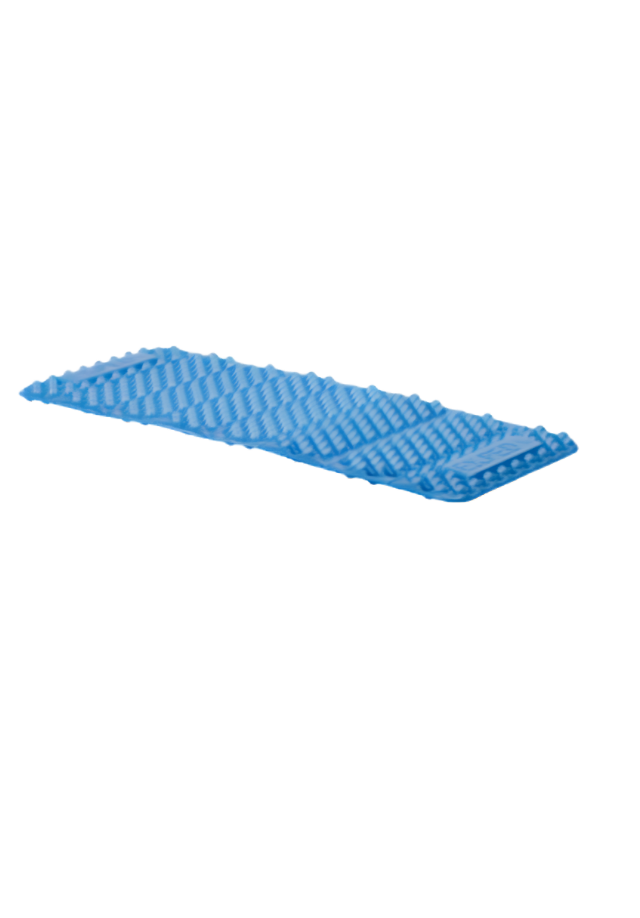
Therm-a-Rest Mattress
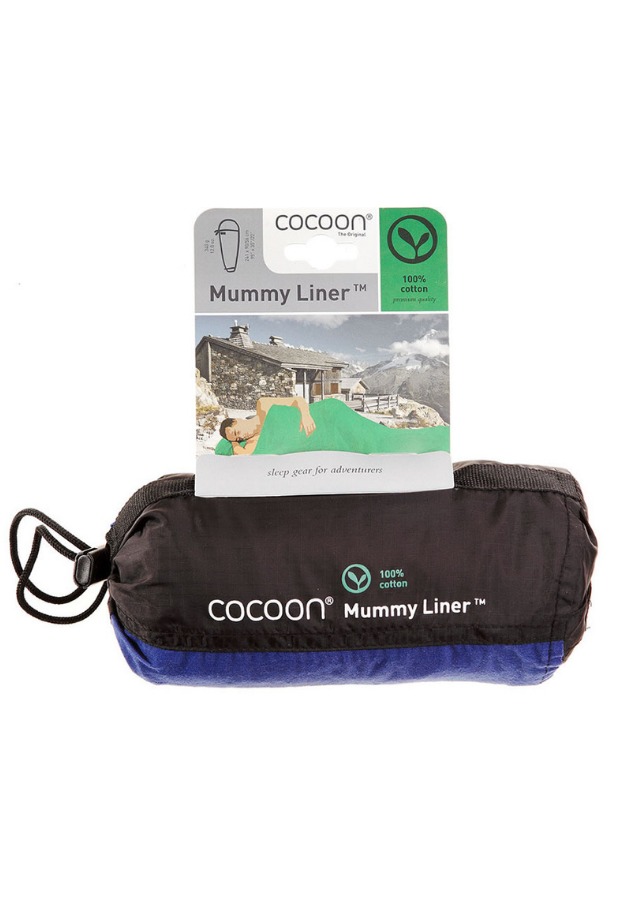
Sleeping Bag Liner
Sleeping Bag Liner
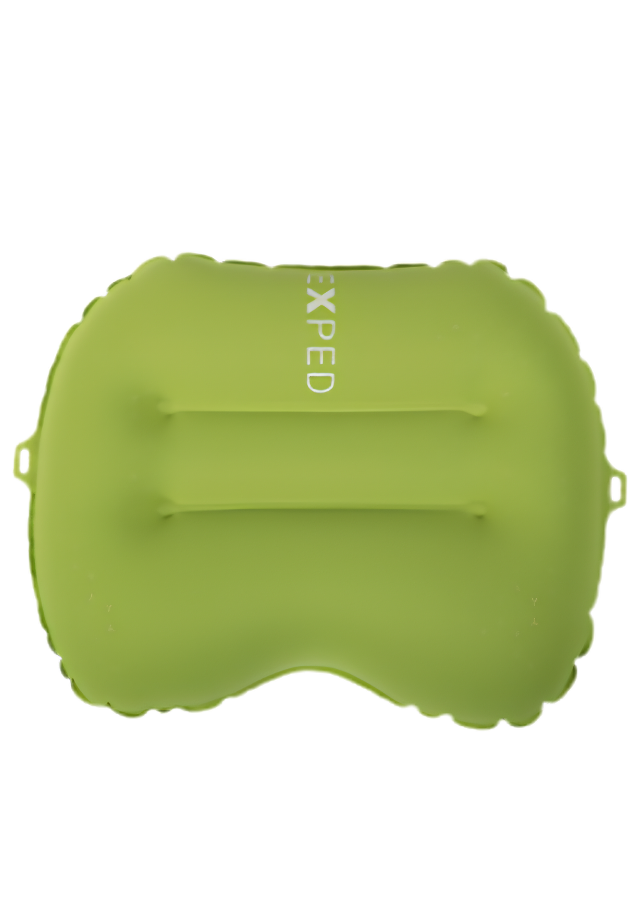
Inflatable Pillow
Inflatable Pillow
Bag Packs
3 items recommended for this trek
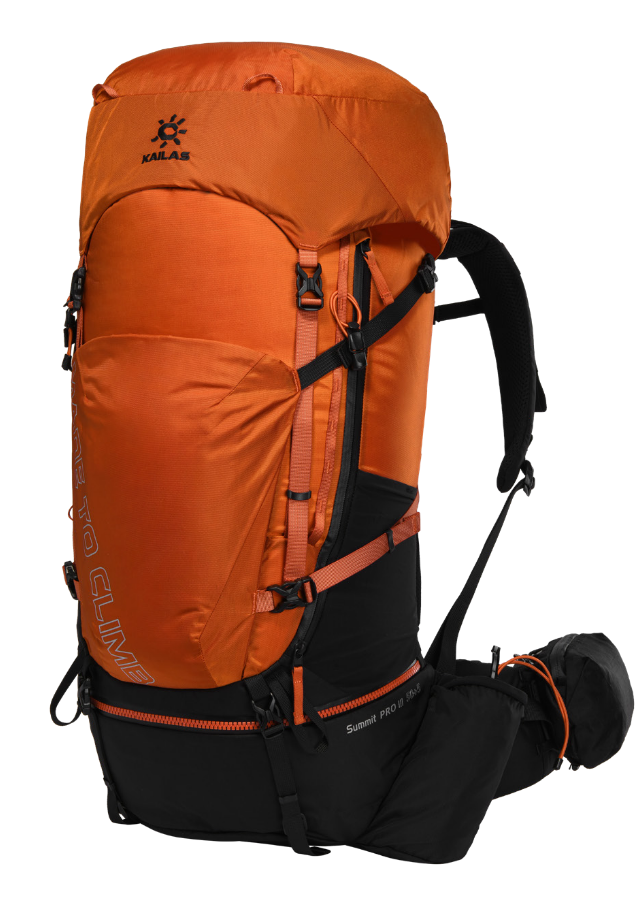
Rucksack 35L-50L
Rucksack 35L-50L
Duffle Bag
Duffle Bag
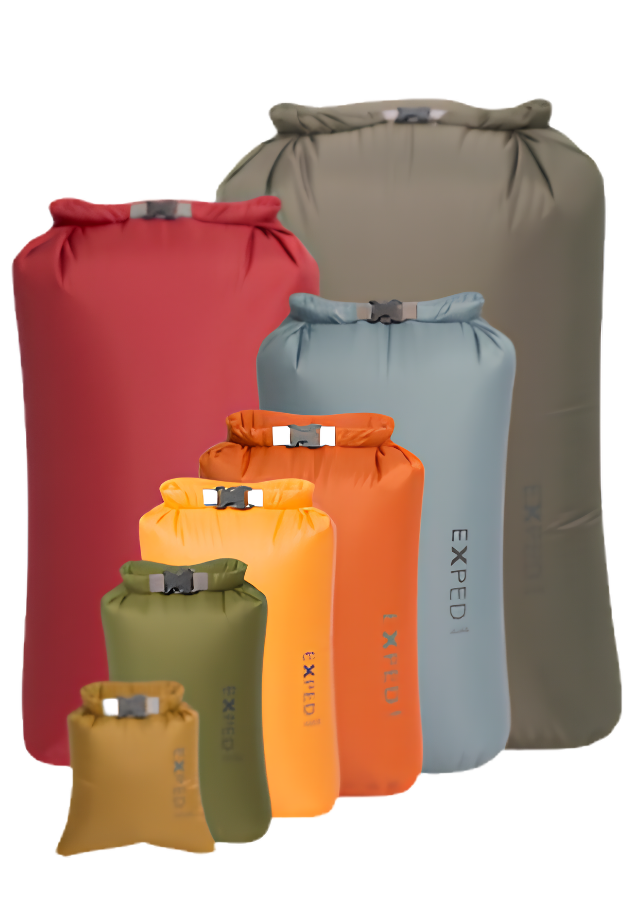
Dry Bags
Dry Bags
Miscellaneous
11 items recommended for this trek
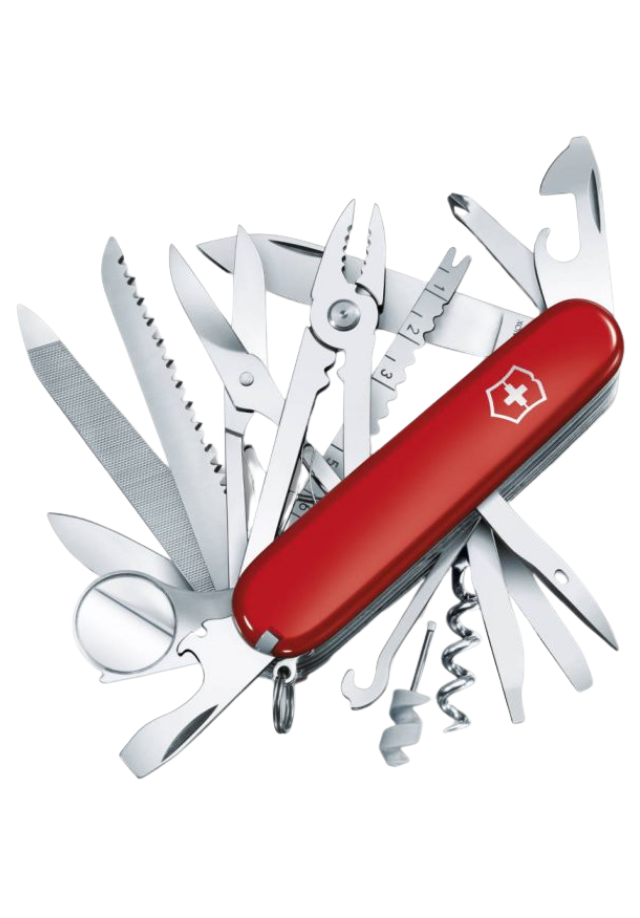
Pocket Knife
Pocket Knife
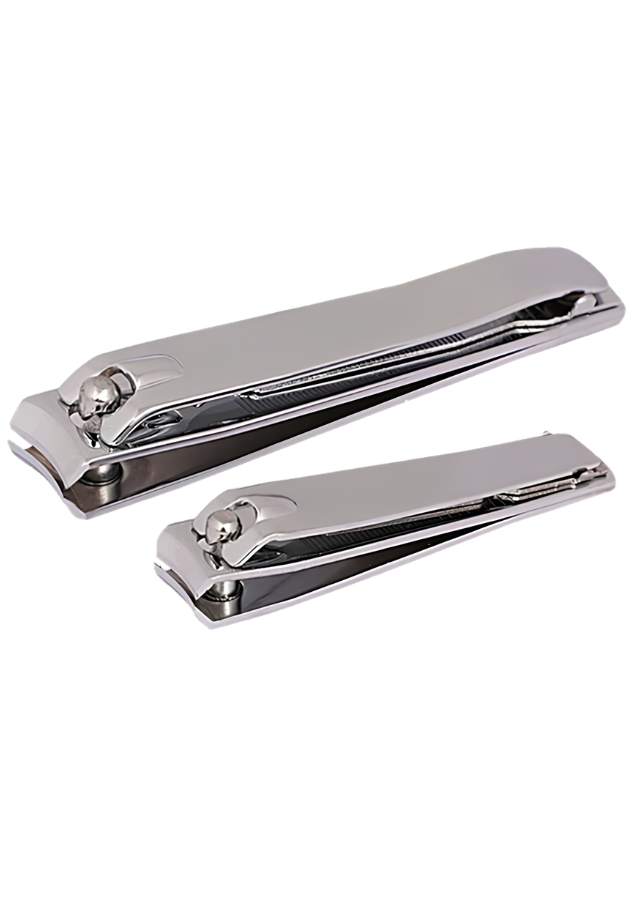
Nail Cutter
Nail Cutter
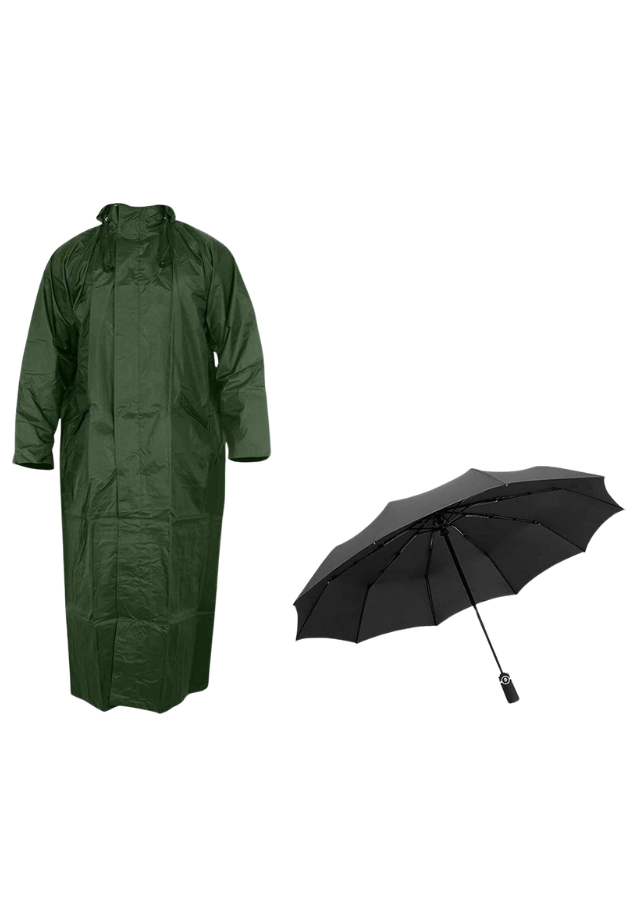
Umbrella/Rain Coat
Umbrella/Rain Coat
Hot Water Bag
Hot Water Bag
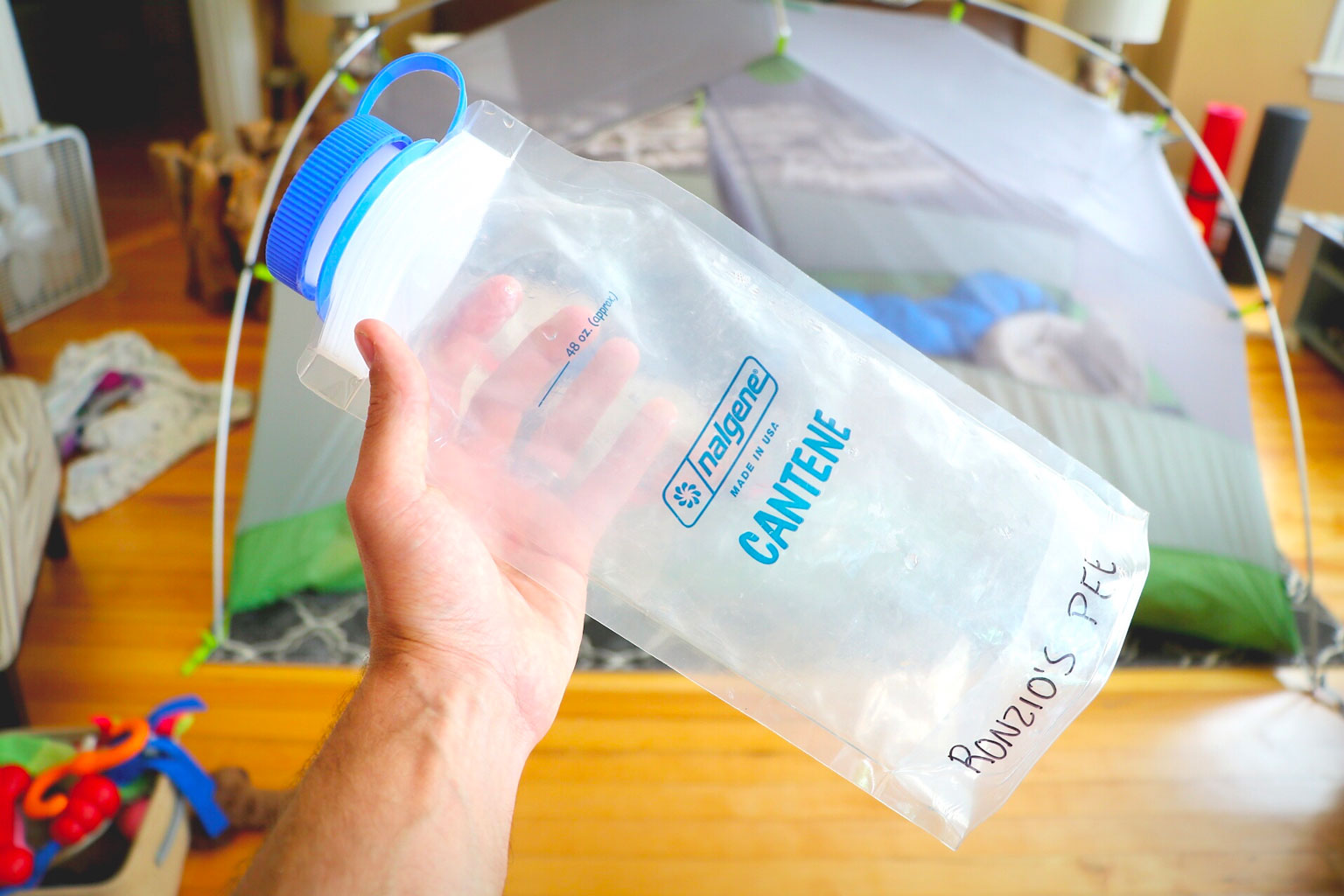
Pee Bottle
Pee Bottle
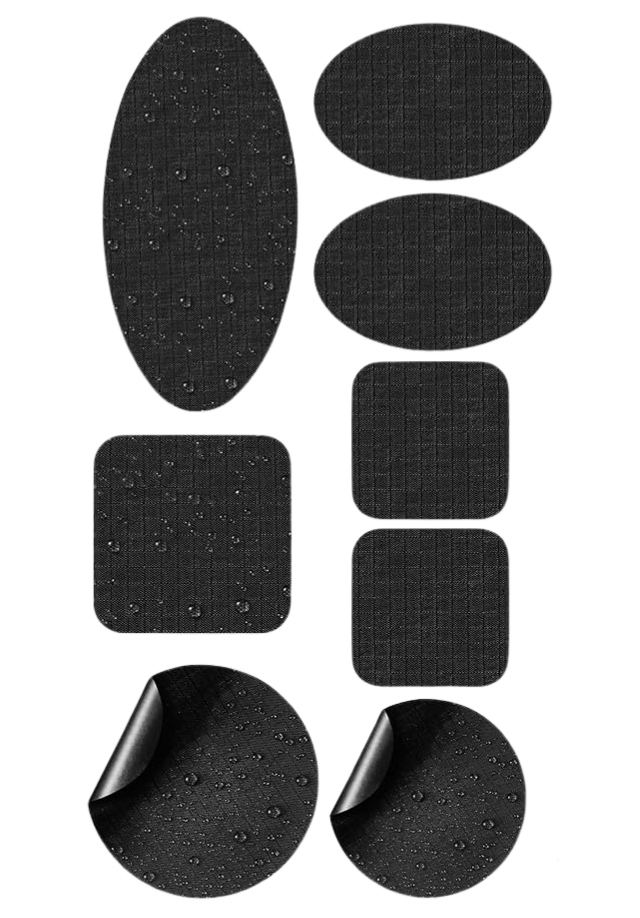
Tenacious Tape Repair
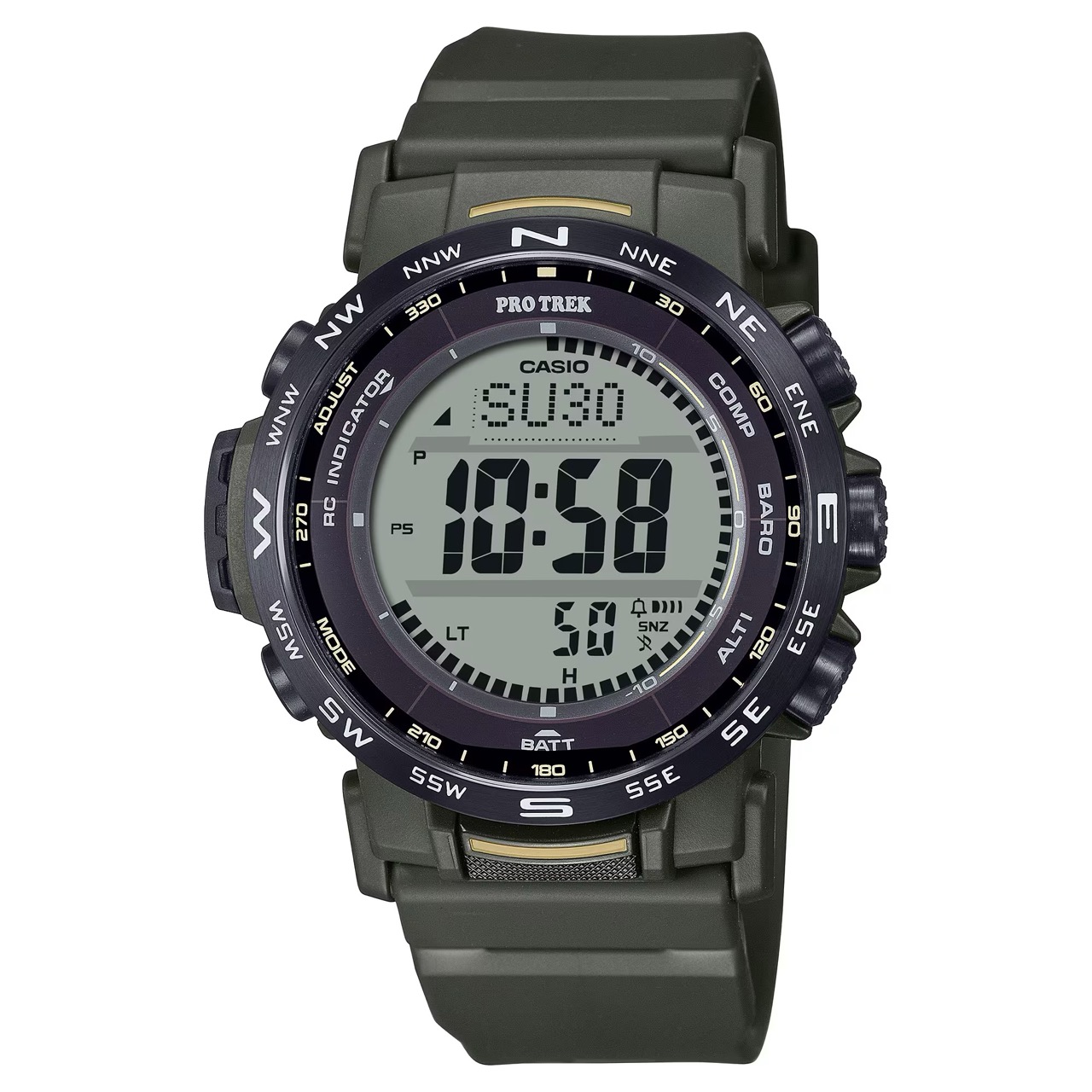
Altimeter Watch
Altimeter Watch
Satellite Phone(Optional)
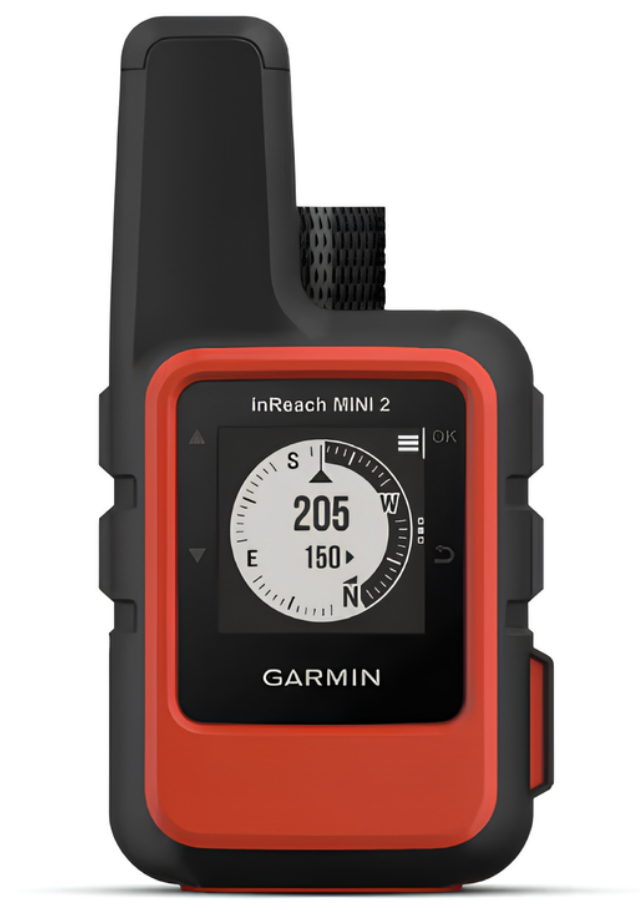
GPS Tracker
GPS Tracker
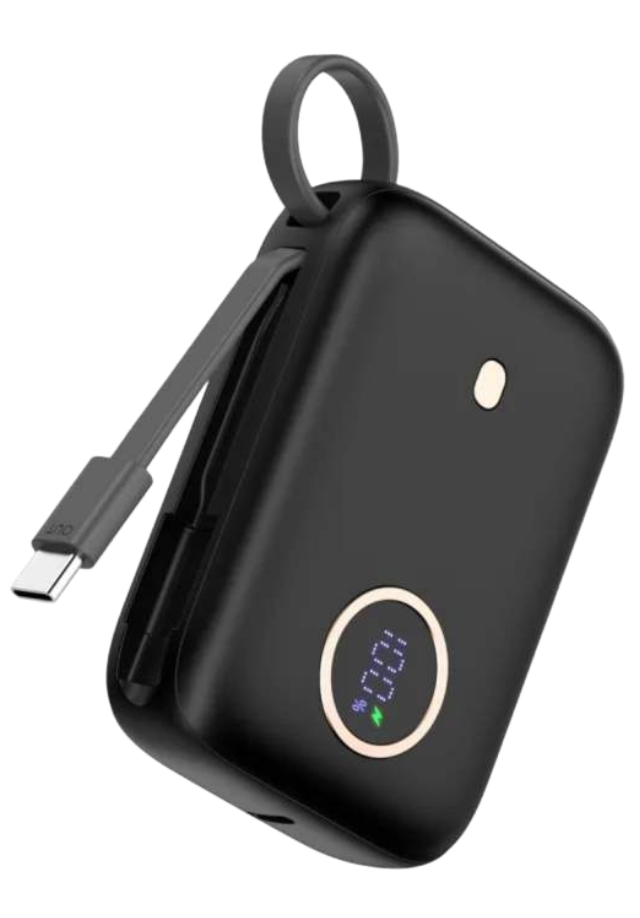
Power Bank
Power Bank
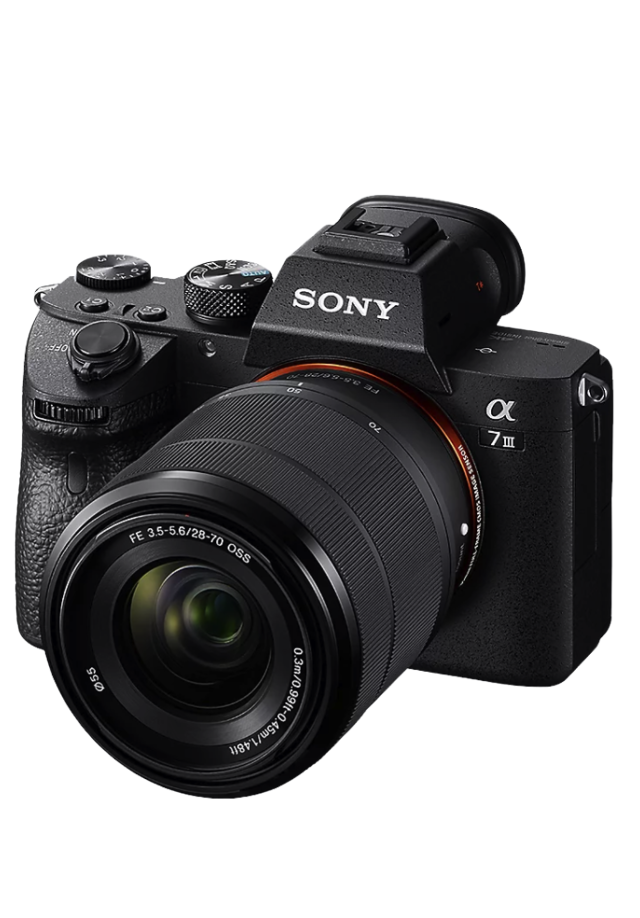
Camera
Camera
Climbing Equipment
13 items recommended for this trek
Climbing Boot -6000m
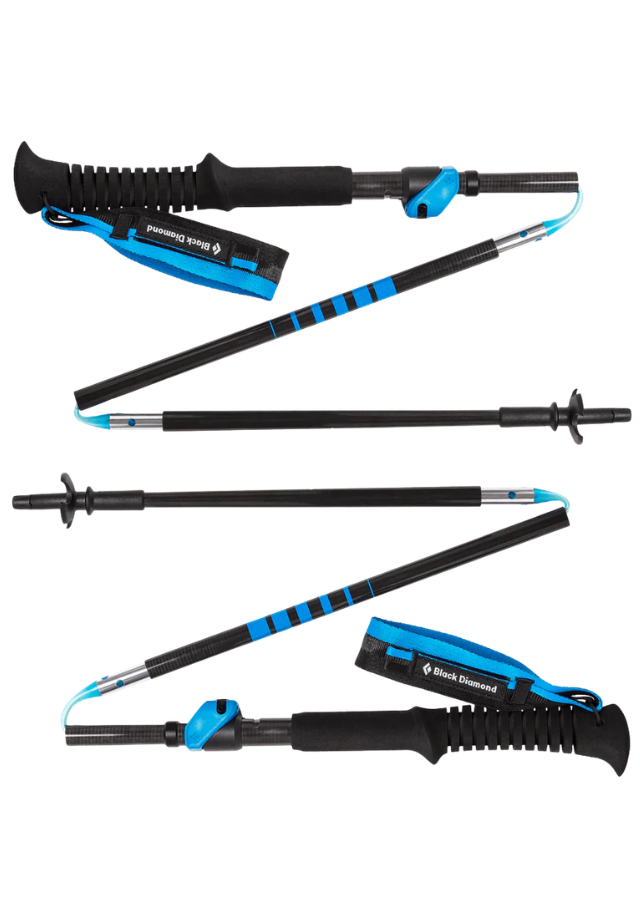
Trekking Pole
Trekking Pole
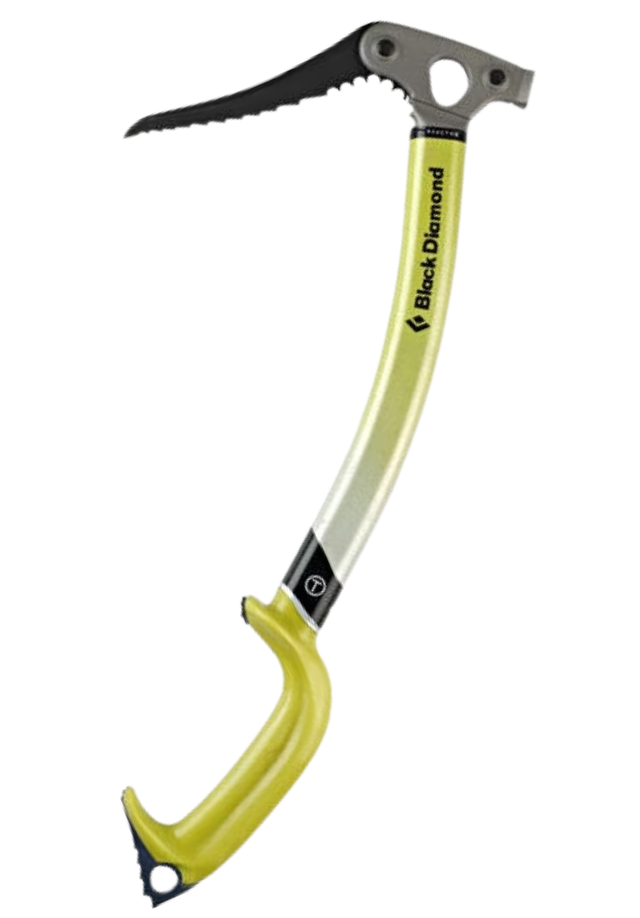
Ice Tool/AXE
Ice Tool/AXE
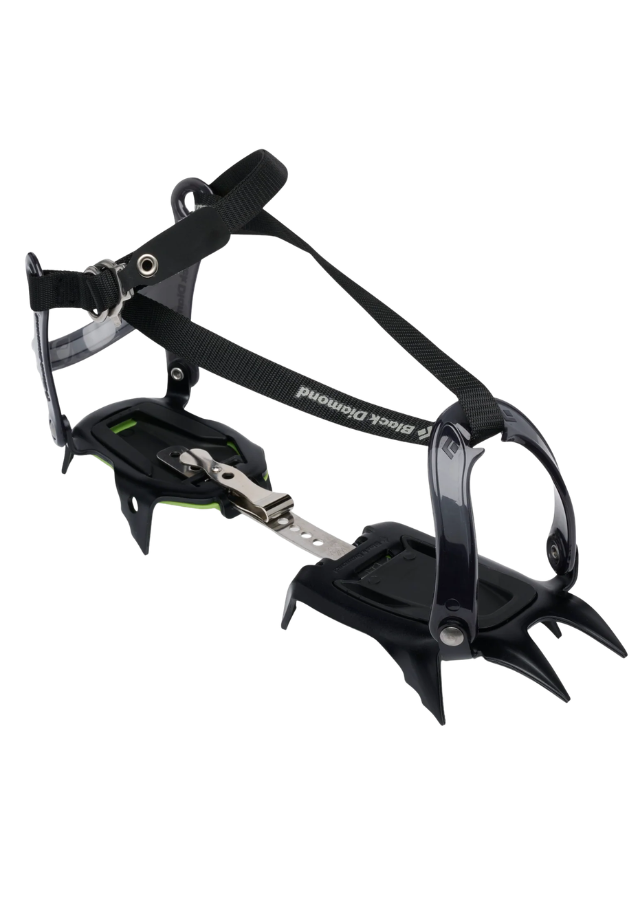
Crampons
Crampons
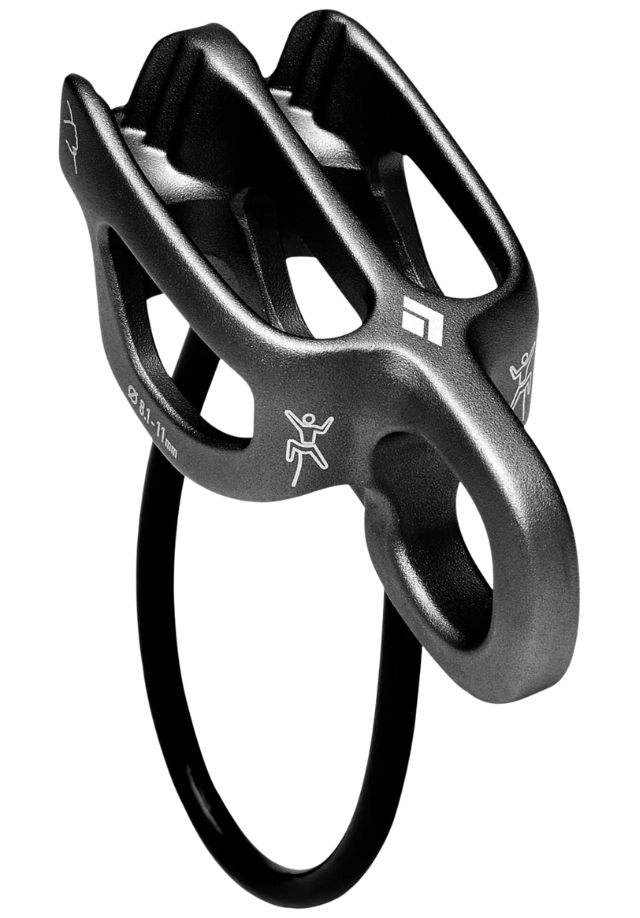
ATC GUIDE
ATC GUIDE
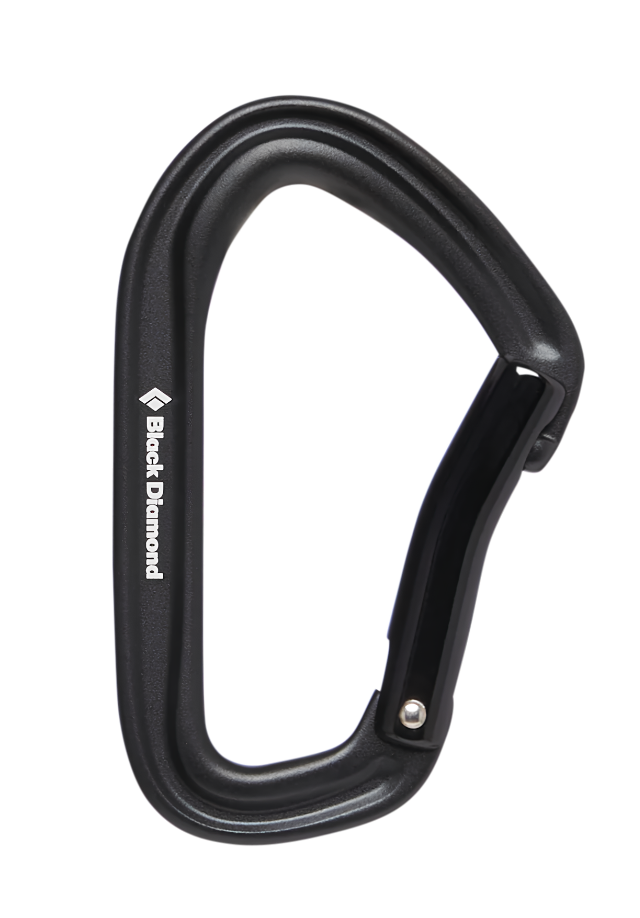
Unlock Carabiner
Unlock Carabiner
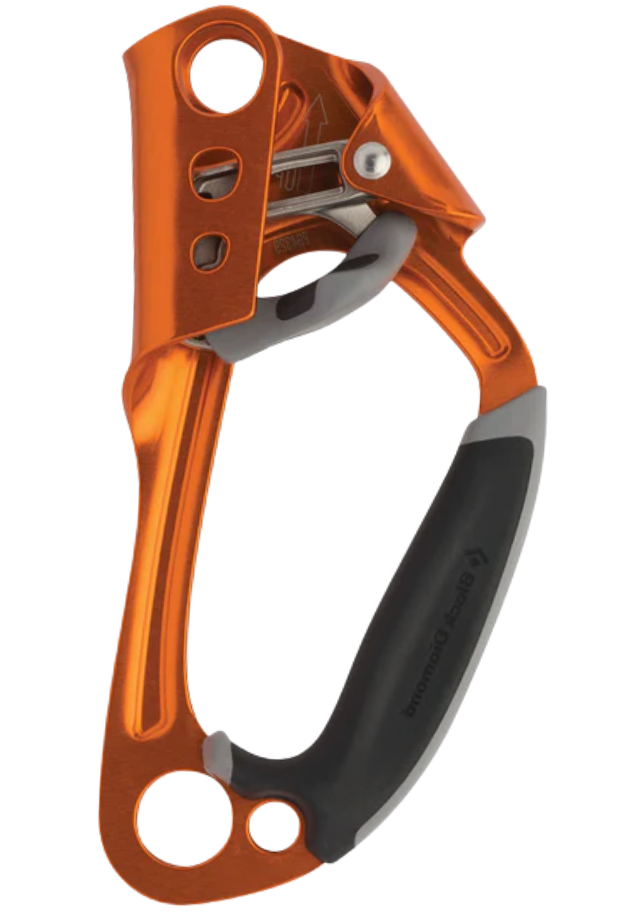
Jumar/Ascender
Jumar/Ascender
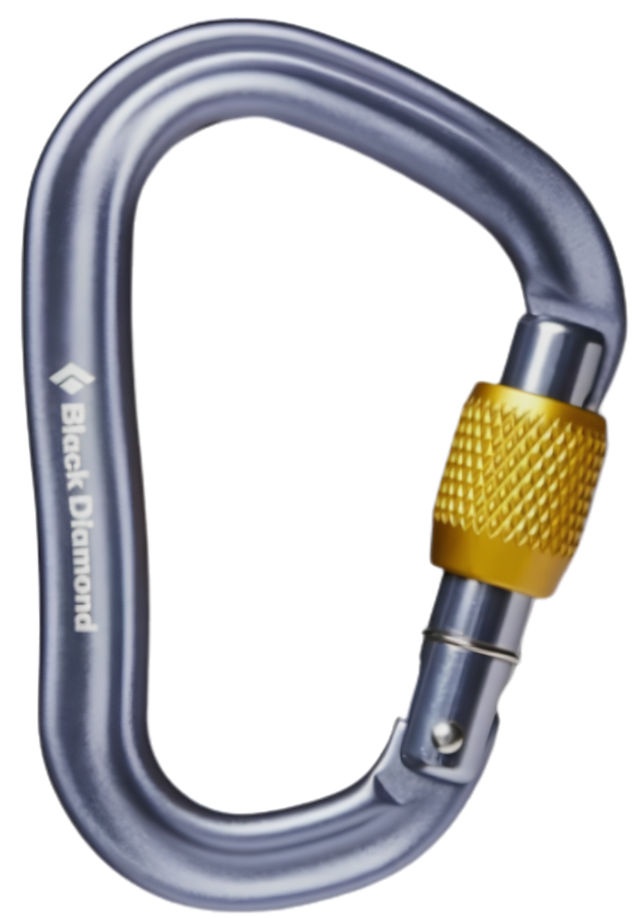
Locking Carabiner
Locking Carabiner
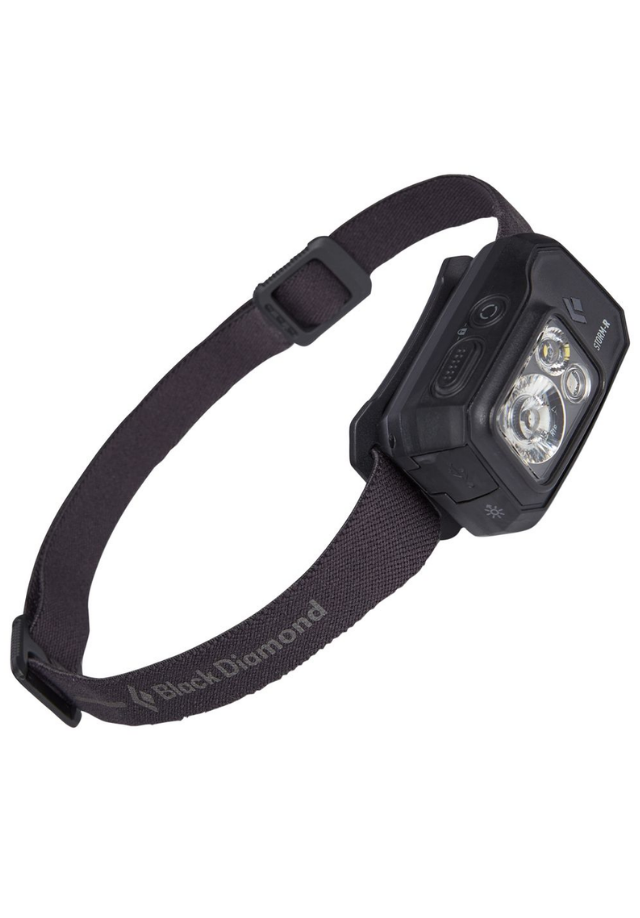
Head Light
Head Light
Tape Sling
Tape Sling
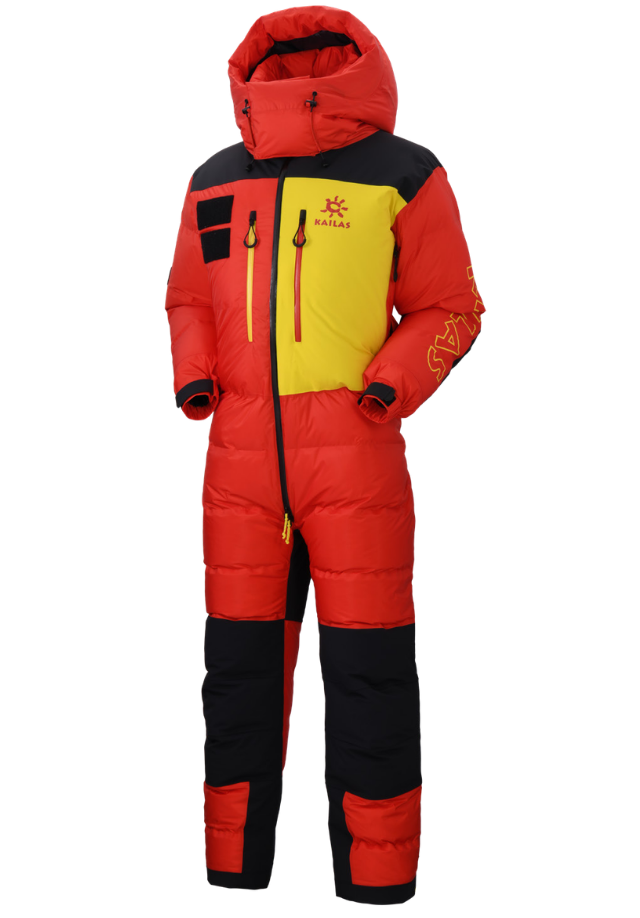
Summit Down Suit
Summit Down Suit
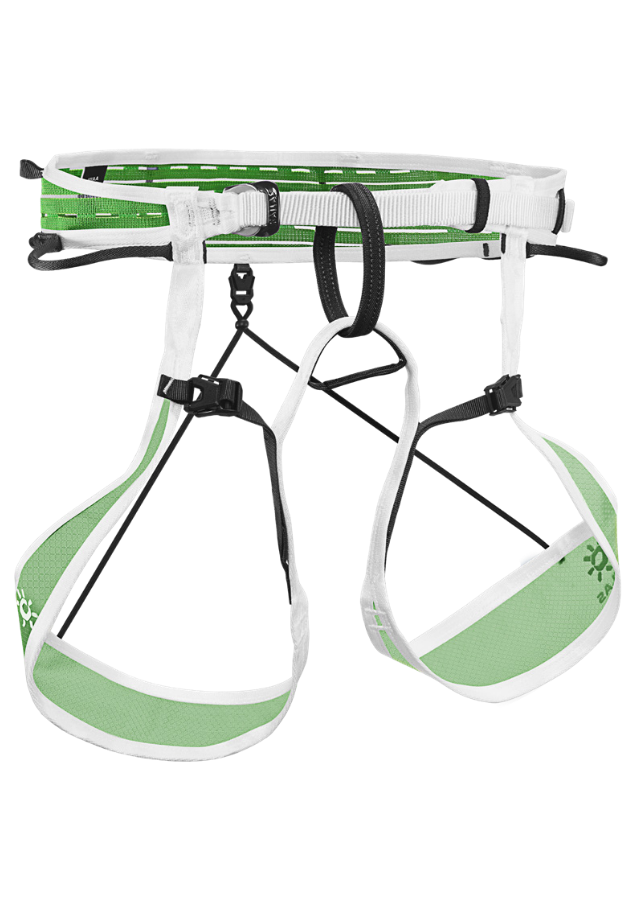
Climbing Harness
Climbing Harness
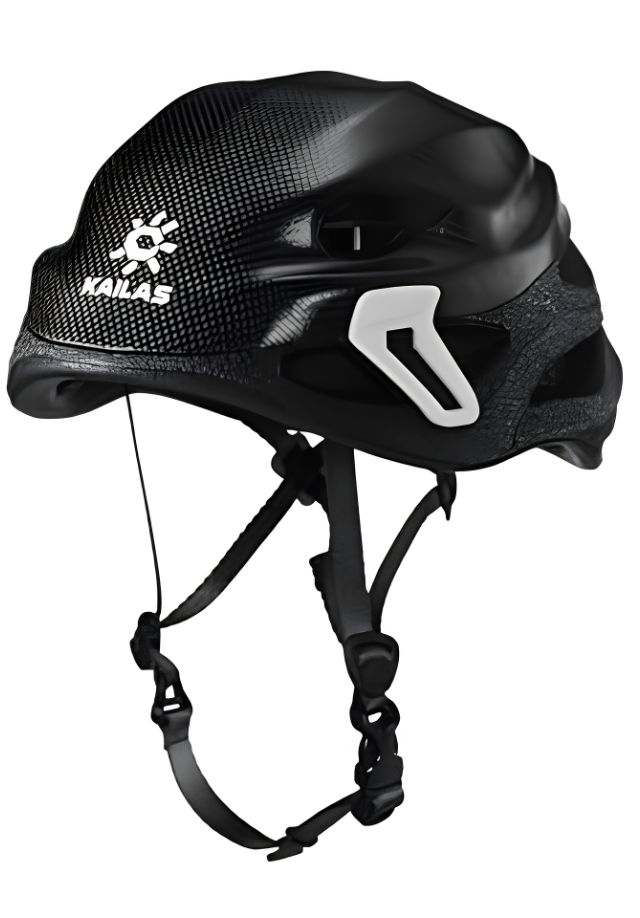
Climbing Helmet
Climbing Helmet

Reviews

Add Review

No reviews yet. Be the first to review this package!

FAQs


Annapurna IV (7,525m / 24,688ft) is a prominent Himalayan peak in the Annapurna massif of north-central Nepal. It is located near the Annapurna II and Annapurna III range and offers a challenging high-altitude mountaineering experience in the heart of the Nepal Himalayas.

Annapurna IV is considered a challenging technical mountaineering expedition. Climbers must be prepared for steep snow and ice, glacier travel, high-altitude conditions, and variable Himalayan weather. Previous experience with high-altitude climbing, crampons, ice axe techniques, rope systems, and glacier travel is strongly recommended.

The main climbing seasons for Annapurna IV Expedition are generally spring (April–May) and autumn (September–October). Spring typically offers longer daylight hours and favorable climbing conditions, while autumn can provide excellent visibility and stable weather following the monsoon.

Annapurna IV stands at 7,525 meters (24,688 feet) above sea level. Although it is below the 8,000-meter threshold, climbing at this altitude involves serious high-altitude risks, including extreme cold, reduced oxygen levels, storms, and altitude-related illness.

A complete Annapurna IV Climbing Expedition generally takes several weeks, depending on the chosen itinerary, acclimatization schedule, route conditions, weather, and summit strategy. The expedition includes travel to the mountain, approach trekking, acclimatization rotations, establishing higher camps, summit preparation, the summit attempt, and descent.

The climbing route may vary according to current mountain conditions and the expedition team's assessment. A typical expedition involves establishing Base Camp and progressively higher camps before making the summit push. The exact route, camp locations, and technical sections can change depending on snow conditions, route accessibility, and safety considerations.

Previous 7,000m or 8,000m expedition experience is highly beneficial. Climbers should have strong experience in high-altitude environments and be proficient in technical mountaineering skills. Annapurna IV should not be approached as a first major Himalayan climbing expedition without appropriate training and experience.
A comprehensive 7,000m mountaineering equipment list is required, including double or high-altitude mountaineering boots, crampons, ice axe, climbing harness, helmet, ascender, descender, carabiners, ropes and appropriate protection, high-altitude clothing, down suit or equivalent insulation, sleeping system, glacier travel equipment, and personal safety gear. Your expedition operator will provide a detailed equipment checklist before departure.
Supplemental oxygen may be carried as part of the expedition's emergency and high-altitude safety strategy, depending on the expedition plan and individual requirements. Oxygen use should be determined by the expedition leader and medical or high-altitude support team based on conditions and the climber's health. It is important to understand that oxygen is a safety resource and does not eliminate the risks associated with climbing at 7,525 meters.
Climbers need the appropriate Nepal climbing permit for Annapurna IV, along with other required national park or conservation area permits, local registrations, and expedition documentation. A registered expedition operator can coordinate the necessary permits, liaison requirements, logistics, and government procedures on behalf of the climbing team.

Major risks include avalanches, rockfall, crevasses, extreme cold, high winds, altitude sickness, exhaustion, falls, and rapidly changing Himalayan weather. The technical nature of the route and remoteness of the mountain also require strong expedition planning, experienced climbing leadership, communication systems, emergency protocols, and appropriate rescue arrangements.

Depending on the expedition schedule and acclimatization requirements, Annapurna IV may be combined with other trekking or mountaineering objectives. However, combining major peaks requires careful consideration of acclimatization, recovery, logistics, weather windows, and overall expedition duration. A personalized itinerary should be designed according to the climber's experience and objectives.

Similar Packages

North Everest Standard Expedition -2027
8849 M 58 days

North Everest Standard Expedition -2027

Experience the Standard 58-Day Everest Expedition on the North Side with 14 Peaks Expeditions: expertly guided...

View Details
Climb Mt. Manaslu Expedition 2026 | Exclusive Autumn Expedition in Nepal
8163 M 27 days

Climb Mt. Manaslu Expedition 2026 | Exclusive Autumn Expedition in Nepal

Your First 8,000m Peak Starts Here. Climb the Mountain of Spirit with Nepal's most experienced expedition team...
View Details